When it comes to electrical work, having the right tools is just as important as having the right knowledge. Whether you are a seasoned electrician, a contractor, or a technician, understanding which tools are essential for electrical installation can significantly enhance efficiency and safety on the job. In this article, we will explore the key electrical installation tools every electrician should keep in their toolkit, breaking them down into categories while adding insights on practical applications, selection criteria, and safety considerations.
Essential Electrical Installation Tools
1. Basic Hand Tools
Every electrician’s toolbox should include a core set of hand tools. These tools serve multiple purposes and are vital for various installation tasks.
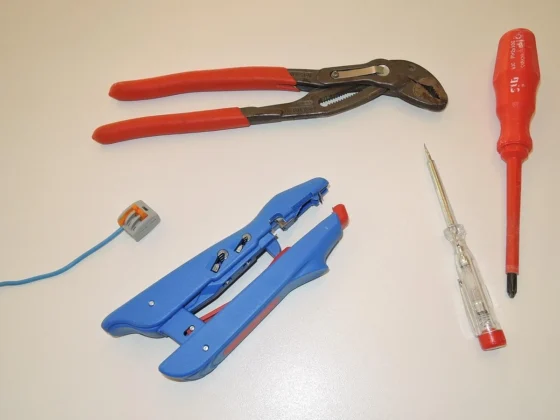
- Wire Strippers: Essential for stripping insulation from wires without damaging the conductor itself.
- Screwdrivers: A set of flathead and Phillips screwdrivers helps with installing fixtures and changing out outlets.
- Pliers (Needle-Nose and Lineman’s): Ideal for gripping, twisting, and cutting wires, they offer versatility for different tasks.
- Voltage Tester: A must-have safety tool that ensures wires are not live before working on them.
2. Power Tools
For more complex installations, power tools can save time and effort. Key power tools include:
- Drill/Driver: Used for drilling holes and driving screws. A cordless model increases portability and convenience.
- Reciprocating Saw: Useful for cutting through various materials, including metal boxes and wooden structures.
- Impact Driver: Delivers high torque which is especially useful for driving long screws into hard materials.
3. Testing and Measurement Tools
Precision in electrical work is critical. Here are common tools every electrician should consider for testing and measuring:
- Multimeter: This is crucial for measuring voltage, current, and resistance, helping to troubleshoot electrical issues effectively.
- Clamp Meter: Particularly useful for measuring current without needing to disconnect the circuit.
- Circuit Tester: Checks for proper wiring in outlets and identifies wiring issues quickly.
4. Cable and Wire Tools
Working with cables and wires forms the backbone of electrical installations. Here are some specialized tools you might need:
- Cable Cutters: Designed to easily cut through thicker wires without compromising their performance.
- Fish Tape: A flexible tool that helps in routing wires through walls and conduits.
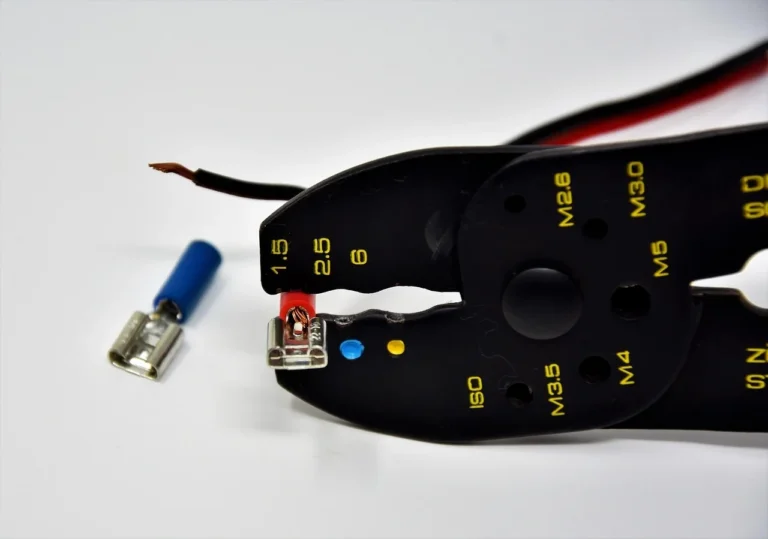
- Wire Nuts and Connectors: Essential for making secure electrical connections.
Selection Criteria for Electrical Installation Tools
When selecting electrical installation tools, consider the following factors:
-
Quality and Durability: Choose tools made from high-quality materials for long-lasting performance.
-
Safety Features: Look for tools with safety ratings and certifications. Insulated tools are particularly critical for safety in high-voltage environments.
-
Ergonomics: Well-designed tools that offer comfort reduce fatigue and improve productivity during long work hours.
-
Compatibility: Ensure that the tools you purchase are compatible with the types of fixtures and systems you typically work with.
Common Mistakes When Using Electrical Tools
Even experienced electricians can make mistakes. Here are some common pitfalls to avoid:
- Neglecting Safety Gear: Always use proper safety equipment, including gloves and safety glasses, when working.
- Assuming Tool Compatibility: Ensure that each tool works with the specific electrical components you’re using.
- Inadequate Maintenance: Regular checks and maintenance of tools prevent accidents and prolong tool life.
Safety Considerations for Electrical Installation
Safety should always be the top priority. Here are some essential safety tips:
- Power Down Systems: Before beginning any electrical work, always turn off power at the circuit breaker.
- Use Insulated Tools: Insulated tools protect against shocks when working with live wires.
- Confirm Circuit Status: Use a voltage tester before handling wires to ensure they are not live.
Conclusion
Equipping yourself with the right electrical installation tools is crucial for ensuring both efficiency and safety in your work. From essential hand tools to advanced testing equipment, each tool has a unique role to play. By understanding the applications and selecting tools wisely based on safety and durability, you can avoid common mistakes and focus on delivering high-quality electrical installations.
For a comprehensive selection of high-quality electrical installation tools, consider browsing the product category at World Tool and Supply or you can request a wholesale quote to equip your business with the best available tools on the market. Remember, the right tools not only improve your work but also enhance your professionalism and safety in the field.