
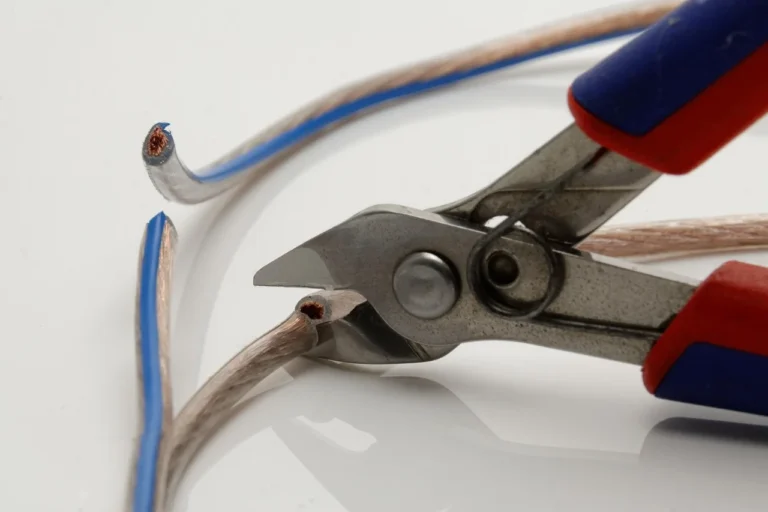
Copper tubing cutters are indispensable tools for professionals in industries such as plumbing, HVAC, and electrical work. These specialized devices enable precise cuts on copper tubing, allowing for clean installations and modifications. When it comes to choosing the right copper tubing cutter, several crucial features determine the equipment’s effectiveness and durability. This article explores the essential characteristics of high-quality copper tubing cutters, providing guidance for contractors, technicians, and industrial buyers.
Why Use a Copper Tubing Cutter?
Copper tubing is widely used due to its excellent thermal and electrical conductivity, corrosion resistance, and malleability. Properly cutting copper tubing is vital to ensure a tight seal in solder connections, prevent leaks, and maintain the integrity of installations. A high-quality copper tubing cutter provides a reliable method to achieve these objectives, making it an essential tool in any professional’s toolkit.
Key Features of High-Quality Copper Tubing Cutters
1. Cutting Mechanism
One of the primary features of a copper tubing cutter is its cutting mechanism. High-quality cutters generally use:
- Scoring and Breaking: This process involves scoring the tubing’s surface and then breaking it to create a smooth cut. Look for models that do this efficiently without burrs.
- Rotary Blades: Cutters with rotating blades can ensure a smooth and even cut, which is crucial for achieving proper fittings.
2. Material and Construction
The durability of a copper tubing cutter directly depends on the materials used in its construction:
- Steel Blades: Look for high-carbon steel or stainless steel blades. These provide sharpness and longevity.
- Robust Frame: The body should be made from heavy-duty materials such as aluminum or reinforced composites to withstand regular use and demanding conditions.
3. Wheel Design
The wheel design plays a significant role in the cutter’s performance:
- Dual Wheel Cutters: Models with dual wheels allow for more stable cuts and can handle a wider range of tubing sizes.
- Replaceable Wheels: High-quality cutters often feature replaceable wheels, extending the tool’s lifespan and maintaining performance over time.
4. Adjustable Sizing
A key feature of professional-grade copper tubing cutters is their ability to accommodate varying tubing sizes:
- Wide Range of Capacity: A versatile cutter can handle different diameters (e.g., from 1/8 inch to 2-1/8 inches), making it suitable for a variety of applications.
- Easily Adjustable Mechanism: An easy-to-use adjustment mechanism allows for quick changes between tube sizes, enhancing efficiency on the job.
5. Ergonomics and Handle Design
Consider the ergonomics of the cutter:
- Comfortable Grip: A rubberized or cushioned handle can improve grip and reduce hand fatigue during extended use.
- Compact Design: A slim profile enables access to tight spaces, which is often crucial in plumbing and HVAC applications.
6. Additional Features
Some high-quality copper tubing cutters may offer additional features for enhanced performance:
- Deburring Tools: Integrated deburring components help smooth edges after cutting, preventing leaks and improving joint fittings.
- Safety Features: Look for a design that minimizes the risk of injuries or accidents during use, such as blade guards or auto-lock features.
Practical Applications
Copper tubing cutters are primarily used in various sectors, including:
- Plumbing: Cutting copper pipes precisely for fitting and repairing plumbing lines.
- HVAC: Installing air conditioning and refrigeration systems that utilize copper piping.
- Electrical: Fabricating and installing electrical conduits for residential and commercial properties.
Common Mistakes to Avoid
When using copper tubing cutters, professionals should be aware of the following common mistakes:
- Not Checking the Cutter’s Size: Always ensure that the cutter can handle the diameter of copper tubing being used.
- Forgetting to Deburr: Skipping the deburring process can lead to leaks in soldered or fitted joints.
- Using Excessive Force: Applying too much force can damage the cutter and result in uneven cuts or increase the risk of injury.
Safety Considerations
Safety is paramount when using copper tubing cutters:
- Wear Protective Gear: Always use safety glasses and gloves to protect against sharp edges and debris.
- Use Tools Properly: Follow manufacturer instructions for tool operation to prevent accidents.
Conclusion
Investing in a high-quality copper tubing cutter can significantly enhance the efficiency and quality of work for professionals in various trades. By understanding the essential features such as cutting mechanism, material construction, wheel design, and ergonomic considerations, contractors and technicians can make informed purchasing decisions. For a comprehensive range of copper tubing cutters, browse the selections available at World Tool and Supply or request a wholesale quote for bulk purchases. Equip yourself with the right tools to ensure precision, reliability, and safety in every project.