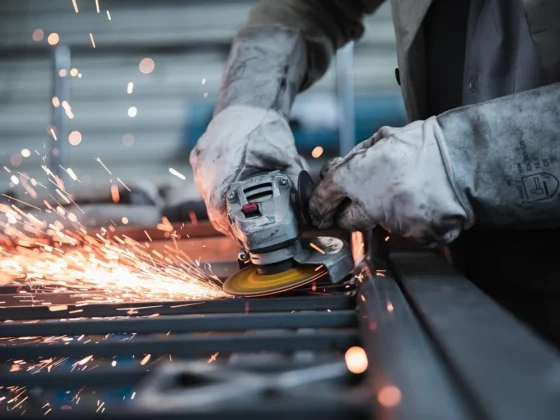
As a professional contractor, having the right equipment at your disposal can significantly enhance your efficiency, safety, and quality of work. This Essential Contractor Equipment Guide will navigate you through indispensable tools, selection criteria, and practical applications, ensuring that you make informed choices for your projects.
Understanding Essential Contractor Equipment
Essential contractor equipment encompasses a wide range of tools and machinery vital for construction, fabrication, and mechanical tasks. These tools not only improve job performance but also ensure compliance with safety regulations and industry standards.
Categories of Essential Contractor Equipment
-
Hand Tools
- Hammers
- Screwdrivers
- Wrenches
- Pliers
-
Power Tools
- Drills
- Saws
- Grinders
- Sanders
-
Heavy Machinery
- Excavators
- Loaders
- Dump Trucks
-
Safety Equipment
- Hard Hats
- Safety Goggles
- Gloves
- Respirators
-
Measuring Instruments
- Laser Levels
- Tape Measures
- Calipers
Practical Applications of Contractor Equipment
Each category of equipment is tailored to specific tasks. For example:
- Hand Tools are essential for everyday minor repairs and adjustments.
- Power Tools like electric drills save time and increase precision for drilling and cutting jobs.
- Heavy Machinery is vital for major undertakings such as site preparation and material lifting.
- Safety Equipment is non-negotiable to ensure that your team remains safe on the job while adhering to regulations.
- Measuring Instruments guarantee accurate dimensions, which are critical for project success.
How to Select the Right Equipment
Choosing the right tools can be daunting. Here are some criteria to consider:
- Project Requirements: Different tasks require different tools. Assess the job at hand before making purchases.
- Quality and Durability: Invest in reputable brands known for reliability and longevity. Consider tools with warranties as an assurance of quality.
- Ergonomics: Look for equipment that reduces strain and enhances comfort for users over extended periods.
- Safety Features: Ensure that any equipment complies with safety standards and includes relevant safety features.
Common Mistakes to Avoid
- Neglecting Safety Gear: Always prioritize safety equipment. Overlooking this can lead to serious injuries.
- Opting for Cheaper Tools: While saving costs is important, low-quality tools can lead to more costs down the road due to replacements or injuries.
- Overlooking Maintenance: Regular maintenance can extend the life of your tools and improve performance. Neglecting this can result in downtime and inefficiency.
- Not Understanding Equipment Capabilities: Take the time to learn how to properly use each tool to maximize its potential.
Safety Considerations
Safety should always be your top priority. Here are some key safety tips:
- Always wear appropriate personal protective equipment (PPE).
- Ensure proper training for all team members on equipment use.
- Regularly inspect tools for damage and recalibrate as needed.
- Follow manufacturer guidelines for operation and maintenance.
Conclusion
Having the right contractor equipment is crucial to successful project execution. By following this Essential Contractor Equipment Guide, you can make informed decisions about the tools that best meet your needs while prioritizing safety and efficiency.
For a comprehensive selection of contractor tools and equipment, visit World Tool and Supply or request a wholesale quote to ensure you are equipped with the best tools in the market. Investing in high-quality equipment is an investment in your business’s success.