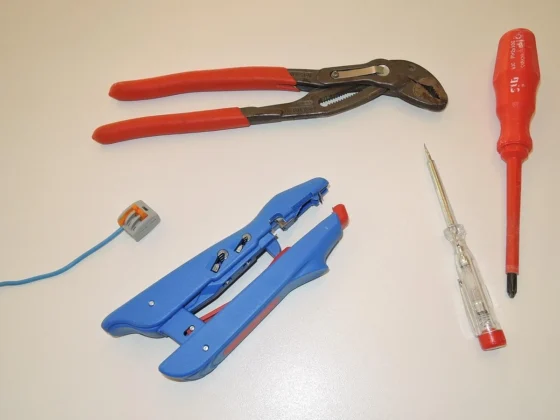
When it comes to electrical installation, the right tools are paramount for both efficiency and safety. Professional contractors, technicians, and mechanics understand the significance of using high-quality, reliable equipment that meets industry standards. In this comprehensive guide, we will explore the top electrical installation tools, their practical applications, selection criteria, and tips for avoiding common pitfalls. Whether you’re a seasoned professional or new to the trade, this guide will serve as an invaluable resource.
Why Quality Tools Matter in Electrical Installation
Using the correct tools not only ensures precision in your work but also enhances safety, compliance with local electrical codes, and the longevity of electrical systems. High-quality tools can make tasks easier and faster, reducing downtime and minimizing costly errors.
Key Electrical Installation Tools
Here’s a curated list of essential electrical installation tools every professional should consider:
1. Wire Strippers
Applications:
- Removing insulation from wires without damaging the conductor.
- Adjusting the length of exposed wire as needed for connections.
Selection Criteria:
- Look for tools with ergonomic designs to reduce hand fatigue.
- Consider options with multiple wire gauge settings for versatility.
2. Multimeters
Applications:
- Measuring voltage, current, and resistance in circuits.
Selection Criteria:
- Choose between analog or digital multimeters based on preference. Digital models generally provide better accuracy and readability.
- Ensure the device comes with safety ratings, such as CAT III or CAT IV, depending on the work environment.
3. Circuit Testers
Applications:
- Quickly verifying the status of electrical circuits, including live or dead conditions.
Selection Criteria:
- Opt for testers that include both visual and audio alerts for ease of use.
- Look for models with a voltage range relevant to your work.
4. Crimping Tools
Applications:
- Connecting terminals or connectors to wires securely.
Selection Criteria:
- Ensure your crimper is compatible with the types of connectors you use most frequently.
- A ratcheting mechanism can provide a more secure crimp.
5. Cable Cutters
Applications:
- Cutting through heavy cables cleanly without fraying.
Selection Criteria:
- Choose cutters made from high-carbon steel for durability.
- Look for ergonomic handles and adequate leverage for ease of use.
6. Fish Tape
Applications:
- Assisting in pulling wire through walls, ceilings, or conduits.
Selection Criteria:
- Consider the length and material of the tape; fiberglass versions are often best for long runs.
- Ensure it has a sturdy housing for easy retraction and storage.
7. Voltage Detectors
Applications:
- Testing voltage presence in outlets, wires, and electrical panels.
Selection Criteria:
- Opt for non-contact models for added safety.
- Look for models with clear indicator lights and audible alarms.
Common Mistakes When Selecting Electrical Tools
- Neglecting Safety Features: Always choose tools with appropriate safety ratings to protect yourself from electrical hazards.
- Overlooking Ergonomics: Tools that are uncomfortable to use can lead to injury over time. Select items designed with user comfort in mind.
- Choosing Inappropriate Sizes: Always ensure that the tools purchased are compatible with the specific tasks and fittings involved in your electrical work.
Safety Considerations
When using electrical installation tools, safety should always be your top priority. Here are essential tips to follow:
- Always De-energize Circuits: Before starting work, ensure that the circuit is dead and use a multimeter to verify.
- Use Personal Protective Equipment (PPE): Appropriate gloves, safety glasses, and hard hats can protect you from electrical shocks and falling objects.
- Maintain Your Tools: Regularly inspect your tools for wear and tear. Proper maintenance extends the life of your equipment and ensures safe operation.
Conclusion
Choosing the right electrical installation tools is critical for professional contractors, technicians, and industrial buyers alike. The tools outlined in this guide not only enhance efficiency but also ensure compliance with safety standards. Always prioritize quality and usability in your tool selection to avoid common pitfalls and foster a productive working environment.
For more specialized tools or bulk purchasing options, consider browsing the appropriate product categories at World Tool and Supply or request a wholesale quote. By investing in the right tools today, you can elevate your electrical installation projects tomorrow.