
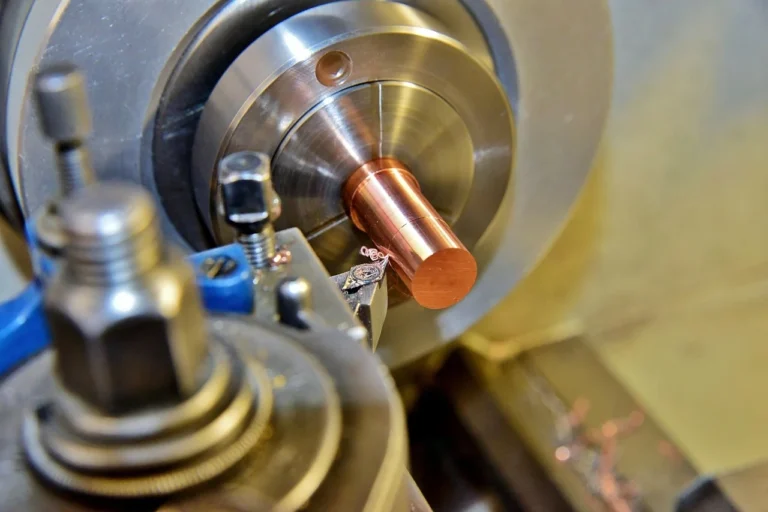
Metalworking is a fundamental process across various industries, involving the manipulation of metals to create components, structures, and finished products. Professional contractors, industrial buyers, technicians, fabricators, mechanics, and procurement teams must be well-versed in different types of metalworking tools to optimize their operations. This article demystifies the landscape of metalworking tools, offering insights into their applications, product differences, selection criteria, common mistakes, and relevant safety considerations.
Types of Metalworking Tools
1. Cutting Tools
Cutting tools are essential for shaping metals through various processes such as turning, milling, and drilling. These tools remove material from a workpiece to achieve the desired shape and size.
- Drills: Used for creating holes in workpieces, available in various sizes and materials (e.g., high-speed steel, carbide).
- Lathes: Great for producing symmetrical parts, allowing precise turning and shaping.
- Milling Machines: Ideal for complex shapes and surfaces, featuring multiple cutting edges.
2. Forming Tools
Forming tools reshape metal without cutting, utilizing methods such as bending, forging, and rolling. These tools are crucial in producing specific designs and maintaining the integrity of the material.
- Press Brakes: Used for bending sheet metal at precise angles.
- Hammers and Mallets: Essential for manual metal forming, often used in artistic metalworking or blacksmithing.
3. Finishing Tools
Finishing tools refine the surface of metalworkpieces, ensuring the final product meets aesthetic and functional standards.
- Grinders: Employed for smoothing surfaces and sharpening tools, with different wheel types for various applications.
- Sanders: Excellent for woodworking and metalworking, providing a smooth finish to surfaces before final treatments.
4. Joining Tools
Joining tools facilitate the assembly of metal components, ensuring strong bonds between different materials.
- Welders: Use heat to fuse metals, available in types like MIG, TIG, and Stick.
- Soldering Irons: Commonly used for smaller components, particularly in electronics and plumbing applications.
5. Measuring Tools
Measuring tools are essential for achieving accuracy in metalworking, ensuring that dimensions and specifications are precise.
- Calipers: Used for measuring internal and external dimensions.
- Dial Indicators: Provide precise measurement feedback during machining operations.
Selection Criteria for Metalworking Tools
When selecting metalworking tools, consider the following criteria:
- Material Compatibility: Ensure the tool is suitable for the type of metal you are working with (e.g., steel, aluminum, brass).
- Precision Requirements: Some projects require high-precision tools, whereas others may not.
- Production Volume: For high-volume tasks, consider investing in automated tools versus manual options.
- Budget: Evaluate the cost against your operational budget, focusing on value and durability.
Common Mistakes in Metalworking
- Neglecting Safety: Always prioritize safety by using appropriate personal protective equipment (PPE) and following manufacturer instructions.
- Using the Wrong Tools: Selecting the incorrect tool can lead to poor-quality work and increased costs. Familiarize yourself with the specific applications of each tool.
- Lack of Maintenance: Regular maintenance of metalworking tools ensures their longevity and performance. Clean, sharpen, and calibrate tools as required.
- Poor Measurement Practices: Inaccurate measurements can lead to catastrophic failures or waste of materials. Always double-check measurements before cutting.
Safety Considerations for Metalworking
Safety is paramount in any metalworking environment. Here are a few essential safety considerations:
- PPE: Always wear appropriate PPE, including gloves, goggles, and ear protection.
- Tool Inspection: Regularly inspect tools for damage or wear, addressing any issues before use.
- Ventilation: Ensure adequate ventilation when working with welding or grinding tools to prevent the accumulation of harmful fumes.
- Training: Ensure all operators are trained in the proper use of metalworking tools and are aware of safety protocols.
Conclusion
Understanding the different types of metalworking tools is vital for enhancing productivity and ensuring high-quality outcomes in metal fabrication. By selecting the right tools for specific tasks, avoiding common mistakes, and adhering to safety protocols, professionals can significantly improve their metalworking processes. For a comprehensive range of metalworking tools, consider browsing the appropriate product category at World Tool and Supply, or request a wholesale quote to meet your specific industrial needs. With the right tools and knowledge, you can elevate your metalworking projects to new heights.