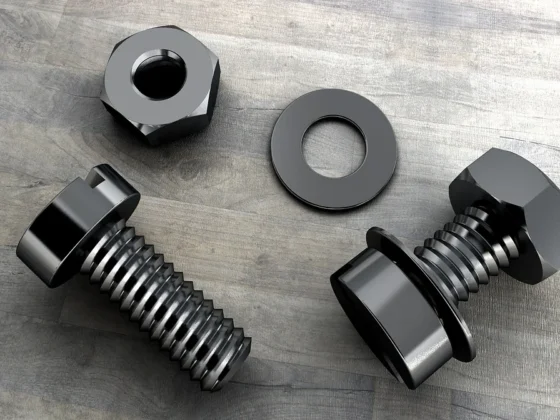
When embarking on any construction project, the choice and application of fasteners are crucial to the integrity and longevity of the work. Construction fasteners, ranging from screws and bolts to anchors and clips, play an essential role in joining materials and ensuring structural stability. This article offers an in-depth exploration of construction fasteners, covering types, applications, selection criteria, common mistakes, and safety considerations.
Understanding Construction Fasteners
What Are Construction Fasteners?
Construction fasteners are hardware devices used to join or affix two or more elements together. Often made from steel, stainless steel, or other materials, fasteners are designed to withstand various stressors, including tension, shear, and environmental factors. Their application spans a range of industries, including residential, commercial, and industrial sectors.
Types of Construction Fasteners
1. Bolts and Nuts
Bolts are threaded fasteners designed to be inserted into a pre-drilled hole, usually accompanied by a nut that allows for tightening. They are widely used in structural applications due to their strength.
- Applications: Steel constructions, machinery assembly, and truck beds.
- Materials: Commonly made from carbon steel, stainless steel, or alloy steel.
2. Screws
Screws feature a threaded shaft designed to embed into materials like wood, metal, or plastic. They offer excellent holding power and are available in various styles.
- Applications: Frame assembly, drywall installation, and cabinetry.
- Types: Wood screws, sheet metal screws, and machine screws.
3. Anchors
Anchors are specialized fasteners for securing objects to walls or ceilings. They expand upon installation to provide a tight grip.
- Applications: Hanging shelves, televisions, and plumbing fixtures.
- Types: Sleeve anchors, toggle bolts, and masonry anchors.
4. Rivets
Rivets are permanent fasteners used in applications where welding is not feasible. They are installed using special tools that deform the rivet and secure it in place.
- Applications: Aircraft assembly and metal fabrication.
- Types: Solid, blind, and tubular rivets.
5. Washers
Washers are essential components used with bolts and screws to distribute load, protect surfaces, and prevent loosening.
- Types: Flat washers, lock washers, and fender washers.
6. Clips and Brackets
These fasteners are ideal for creating connections that require adjustability or support.
- Applications: Electrical installations, plumbing systems, and ductwork.
- Types: U-clips, speed clips, and angle brackets.
Selecting the Right Fastener
Key Selection Criteria
-
Material Compatibility: Ensure that the fastener material is suitable for the materials you are joining. For instance, avoid using carbon steel fasteners with aluminum to prevent galvanic corrosion.
-
Load Requirements: Evaluate the load capacities required for your project. Select fasteners that can comfortably handle these loads without risks of failure.
-
Environmental Conditions: Consider exposure to moisture, chemicals, or extreme temperatures. Stainless steel or coated fasteners may be necessary for outdoor settings.
-
Installation Method: Determine if you’ll be using a manual installation or power tools, as some fasteners require specific handling techniques.
Common Mistakes in Fastener Usage
- Over-tightening: This can lead to material failure or stripping of the fastener’s threads.
- Inadequate Load Rating: Always check and adhere to the required load ratings to avoid structural failure.
- Ignoring Corrosion Resistance: In environments prone to corrosion, failing to use appropriate materials can dramatically reduce fastener life.
- Misalignment: Ensure that fasteners are properly aligned to maintain joint integrity.
Safety Considerations
- Personal Protective Equipment (PPE): Always wear appropriate PPE, such as gloves and safety glasses, when handling or installing fasteners.
- Correct Tools: Use the right tools for installation to prevent damage and ensure safety.
- Weight Limits: Be aware of the weight limits of mounted fasteners, especially in overhead installations.
Conclusion
Understanding and correctly utilizing construction fasteners is fundamental to the success of any building project. By familiarizing yourself with the various types of fasteners, their applications, and selection criteria, you can enhance your project’s efficiency and safety. Avoid common mistakes and always prioritize quality to ensure durable results. For a wide selection of construction fasteners, consider browsing the appropriate product category at World Tool and Supply or request a wholesale quote to meet your needs.
Emphasizing the significance of each type of fastener, this guide serves as a valuable resource for professionals in construction and fabrication, enabling them to make informed decisions that enhance their work quality.