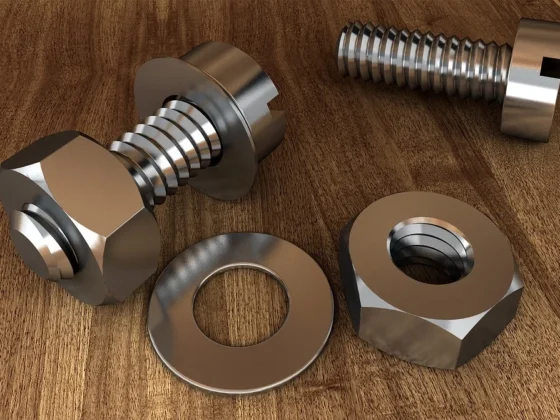
Industrial fasteners are critical components in a wide range of applications, from manufacturing and construction to mechanical assembly and fabrication. Understanding the different types of industrial fasteners available is essential for professionals navigating the complexities of procurement, assembly, and structural integrity. In this guide, we will explore the various fastener types, their practical applications, selection criteria, common mistakes to avoid, and relevant safety considerations.
What Are Industrial Fasteners?
Industrial fasteners are mechanical components that enable the joining of two or more parts. They ensure structural integrity, provide strength, and allow for disassembly when necessary. Fasteners come in numerous shapes, sizes, and materials suited for various applications, making it crucial for contractors and buyers to select the right type for their projects.
Types of Industrial Fasteners
Exploring the types of industrial fasteners is essential to understanding their practical applications and attributes:
1. Bolts
Description: Bolts are heavy-duty fasteners characterized by a head and a threaded shaft. They are primarily used to secure objects together.
Practical Applications: Ideal for high-tension applications such as machinery assembly and construction frameworks.
Common Mistakes: Failing to match bolt specifications to the application can compromise structural integrity. Always ensure the grade and threading match your requirements.
2. Nuts
Description: Nuts are internally threaded fasteners that pair with bolts to secure them in place.
Practical Applications: Used in conjunction with bolts, nuts are found in automotive, construction, and machinery applications.
Common Mistakes: Using the wrong nut type or size can lead to loosening over time. Ensure the nut matches the bolt specs.
3. Screws
Description: Screws have a sharp tip and spiral threads, allowing them to be directly driven into materials or used with nuts.
Practical Applications: Versatile fasteners suitable for wood, metal, and plastic applications.
Common Mistakes: Not pre-drilling holes in harder materials can cause screw breakage. Always follow best practices based on the material type.
4. Washers
Description: Washers are flat discs used to distribute loads and prevent fastener loosening.
Practical Applications: Often used in conjunction with bolts and nuts. They are essential for providing a stable surface and protecting underlying materials.
Common Mistakes: Neglecting washers where they are required can lead to uneven load distribution and possible damage.
5. Rivets
Description: Rivets are permanent fasteners that secure two or more parts by creating a deformed (or ‘upset’) head on one end.
Practical Applications: Commonly used in high-stress applications like aircraft construction and metalworking.
Common Mistakes: Incorrectly sized rivets or inadequate installation techniques can lead to structural failures.
6. Anchors
Description: Anchors are devices anchored into a material (like concrete or masonry) to create a stronghold for bolts.
Practical Applications: Used in buildings and heavy equipment where strong connections are essential.
Common Mistakes: Improper installation can lead to premature failure. Ensure the anchor type is suitable for the substrate.
Factors to Consider When Selecting Industrial Fasteners
When choosing industrial fasteners, it’s vital to consider several factors:
- Material: Options include stainless steel, carbon steel, alloy steel, and plastics. Each material offers different levels of strength, corrosion resistance, and thermal resistance.
- Strength Requirements: Determine the load capacity needed for your application.
- Environment: Consider factors such as moisture, heat, and exposure to chemicals that may affect fastener performance.
- Compatibility: Ensure that the fasteners are compatible with the materials being joined.
Common Mistakes in Fastener Selection
- Not Considering Load Types: Understanding whether the load is static or dynamic is vital for selecting the right fastener.
- Ignoring Environmental Factors: Failing to account for corrosion or wear can lead to premature fastener failure.
- Overlooking Manufacturer Guidelines: Each fastener type typically comes with specific installation and load requirements.
Safety Considerations
Proper use and installation of industrial fasteners are crucial for ensuring safety:
- Follow Manufacturer Instructions: Always adhere to guidelines to avoid failures.
- Inspect Fasteners Regularly: Regular inspections can help identify wear or damage early and prevent accidents.
- Use Personal Protective Equipment (PPE): While handling and installing fasteners, ensure appropriate safety gear is worn to minimize risks.
Conclusion
Understanding the types of industrial fasteners is essential for professionals across various industries, from contractors to procurement teams. By selecting the correct fasteners based on material, strength, and application needs, you can enhance structure reliability and safety. For a full range of industrial fasteners, consider browsing the selections available at World Tool and Supply. By selecting the right components and adhering to best practices, you can ensure the success of your projects while minimizing potential pitfalls.