When it comes to construction, manufacturing, or any industrial application, the quality of fasteners can significantly influence the overall integrity of a project. Sourcing bulk industrial fasteners requires attention to detail, an understanding of specific needs, and knowledge of the marketplace. In this article, we’ll explore best practices for sourcing industrial fasteners, addressing practical applications, product differences, selection criteria, common mistakes, and relevant safety considerations.
Understanding Industrial Fasteners
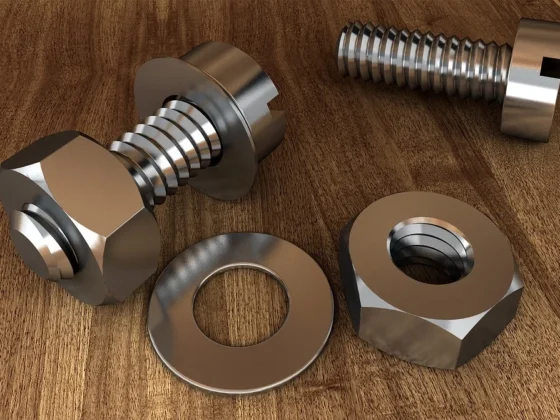
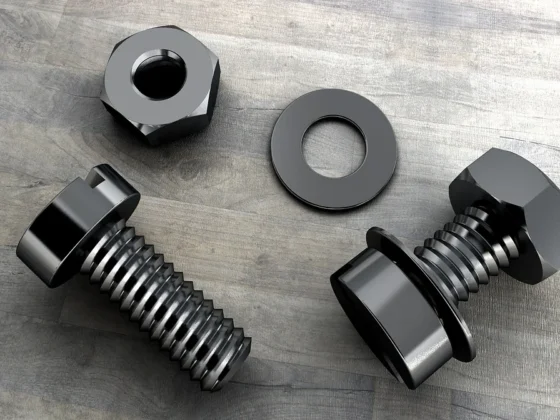
Industrial fasteners come in various types, including bolts, screws, nuts, washers, and rivets, each serving a distinct purpose. Understanding the applications of each type is crucial for making informed purchasing decisions. For example:
- Bolts: Typically used in conjunction with nuts, bolts provide strong mechanical connections.
- Screws: Designed for creating their own threads in materials, screws are commonly used in woodworking and metalwork.
- Washers: Used to distribute the load of a fastener, preventing damage to the surface beneath.
- Rivets: Permanent fasteners ideal for joining metal components where welding may not be feasible.
Practical Applications of Fasteners
Fasteners are used in a multitude of industries, including:
- Construction: For structural reinforcement and assembly.
- Automotive: In vehicle manufacturing and repair.
- Aerospace: Critical in ensuring the safety and reliability of aircraft.
- Manufacturing: Essential in machinery assembly and maintenance.
Understanding specific applications helps in selecting the right type of fastener needed for any job.
Selecting the Right Fastener
When sourcing bulk industrial fasteners, consider the following criteria:
1. Material and Coating
Choose materials that suit the environment and application. Common materials include:
- Carbon Steel: Good for general use, but may corrode.
- Stainless Steel: Offers excellent corrosion resistance, ideal for outdoor or moisture-prone applications.
- Alloy Steel: Provides enhanced strength and toughness, useful in high-stress environments.
Coatings, such as zinc plating, can enhance durability but may not be suitable for all applications. Understanding the requirements for your specific situation will guide your selection.
2. Size and Dimensions
Proper sizing is crucial for fastener performance. Considerations include:
- Diameter
- Length
- Thread type (fine, coarse, etc.)
Utilize charts or manufacturer’s guidelines for exact specifications.
3. Load Requirements
Evaluate maximum load capacities and select fasteners that match or exceed the demands of your specific application. Understanding shear strength, tensile strength, and fatigue limits can prevent premature failure.
Common Mistakes in Sourcing Fasteners
Even experienced buyers can make errors. Here are some common pitfalls to avoid:
- Overlooking Quality Standards: Always check for compliance with relevant industry standards and certifications (e.g., ISO, ASTM). This ensures reliability and safety in use.
- Not Considering Environmental Factors: Ignoring corrosion resistance can lead to costly repairs down the line.
- Bulk Purchases Without Evaluation: Buying large quantities without testing can result in unsuitable fasteners. Always request samples when possible.
Safety Considerations
While sourcing fasteners, safety should be a priority. Here are key considerations:
- Proper Fastener Selection: Using the wrong type of fastener can lead to catastrophic failures.
- Following Manufacturer Guidelines: Adhere to assembly and usage instructions to maintain safety standards.
- Regular Inspections: Establish a routine for inspecting fasteners in critical applications to prevent unexpected failure.
The Importance of a Reliable Supplier
Choosing a reputable supplier is paramount in sourcing bulk industrial fasteners. Look for:
- Experience and Expertise: Suppliers with a proven track record understand industry needs.
- Quality Assurance: Ensure the supplier follows stringent quality control measures.
- Responsive Customer Service: Good communication can help resolve issues quickly.
For a comprehensive selection of industrial fasteners, consider exploring the product categories at World Tool and Supply. They offer a wide range of fasteners suitable for diverse applications and can provide competitive wholesale quotes to meet your bulk purchasing needs.
Conclusion
Sourcing bulk industrial fasteners may seem straightforward, but navigating the myriad of options requires careful consideration of material, size, and load requirements. By following best practices, avoiding common mistakes, and prioritizing safety, you can ensure that your projects maintain structural integrity and efficiency. For further assistance and a robust selection of fasteners, reach out to knowledgeable suppliers who specialize in industrial hardware.