When it comes to fasteners, choosing the right one can make a significant difference in the performance and durability of a project. Among the myriad of options available, bolts and screws are two of the most common choices. This article aims to provide a comprehensive comparison between bolts and screws, focusing on their practical applications, differences, selection criteria, common mistakes, and safety considerations. Whether you’re a contractor, industrial buyer, or technician, understanding these fasteners will enhance the efficiency and quality of your work.
Understanding Bolts and Screws
What is a Bolt?
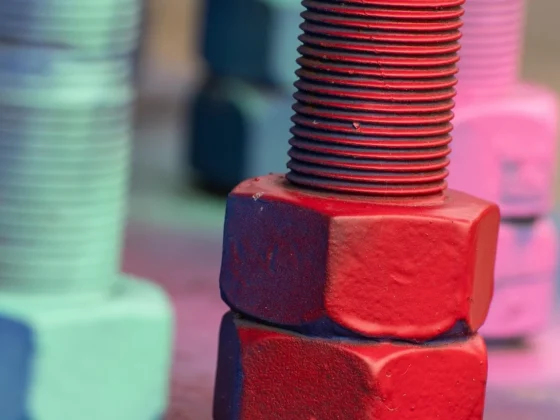
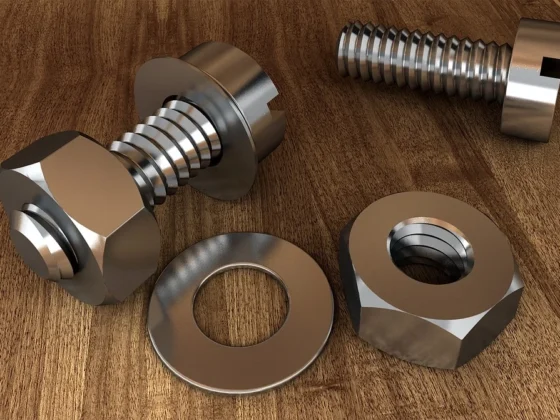
A bolt is a type of fastener that consists of a cylindrical body with a head on one end and a threaded shaft. Bolts are primarily used in conjunction with a nut and are designed to hold two or more components together. They are typically made of materials such as steel, stainless steel, or brass, allowing for high tensile strength.
What is a Screw?
A screw, on the other hand, is a fastener that can be driven directly into a material, often without the need for a nut. Screws possess helical threads that grip into the material, providing holding power. They come in various designs, such as wood screws, machine screws, and self-tapping screws, and can be made from many different materials.
Key Differences Between Bolts and Screws
1. Thread Type and Design
- Bolts typically feature coarse threads designed to engage with a nut or tapped hole, providing a strong clamping force.
- Screws may have fine or coarse threads and are designed to create their own mating hole in materials.
2. Installation Process
- Bolts require drilling a hole through the materials to be fastened, allowing the bolt to pass through and engage with a nut on the other side.
- Screws can be directly driven into the material using a screwdriver or drill, eliminating the need for a pre-drilled hole in many cases (especially for self-tapping screws).
3. Load Capacity
- Bolts generally provide better load distribution and are suitable for high-tension applications. They are often used in structural and industrial settings.
- Screws offer good holding power for light to moderate loads, making them ideal for everyday applications like furniture assembly or cabinetry.
4. Application Suitability
- Bolts are ideal for applications requiring high strength and secure fastening, such as:
- Bridge construction
- Heavy machinery assembly
- Structural steel connections
- Screws are commonly used in applications like:
- Woodworking
- Electrical installations
- General household repair
Selection Criteria
When deciding between bolts and screws, consider the following factors:
- Load Requirements: For high-stress applications, bolts are often the better choice.
- Material Type: The materials of the components to be fastened can dictate which fastener is more suitable.
- Environmental Factors: Consider factors such as temperature, moisture, and corrosion resistance. Stainless steel bolts and screws are preferable in corrosive environments.
- Installation Accessibility: If the installation points are hard to reach, screws might be easier to install.
- Cost and Availability: Depending on project budgets and procurement capabilities, the cost-effectiveness of bolts versus screws is also a consideration.
Common Mistakes in Fastening
Identifying and avoiding typical mistakes is crucial for the integrity of your project. Some errors include:
- Using the wrong fastener type: Choosing screws for high-load applications or bolts for fast-moving handheld items can lead to catastrophic failures.
- Over-tightening: This can strip threads and compromise the integrity of the connection.
- Not considering material compatibility: Mismatching materials can lead to corrosion or weakening of the fasteners.
- Ignoring manufacturer guidelines: Always refer to the specifications and guidelines provided by the fastener manufacturer to ensure optimal performance.
Safety Considerations
Safety is paramount in any construction or manufacturing process. Both bolts and screws should be carefully selected and installed to ensure structural integrity. Consider the following:
- Wear appropriate personal protective equipment (PPE) during installation.
- Ensure proper torque settings are maintained to avoid loosening over time.
- Check for compatibility with the materials being fastened to prevent failure due to corrosion.
Conclusion
Understanding the differences between bolts and screws is essential for professionals involved in construction, manufacturing, or any mechanical work. By carefully considering the practical applications, load requirements, and environmental factors, you can select the appropriate fastener for your project. Remember to avoid common mistakes and prioritize safety to ensure durable, effective connections.
For a wide range of bolts and screws to suit your specific needs, browse the appropriate product category at World Tool and Supply or request a wholesale quote. Equip yourself with the right fasteners and make your next project a success!