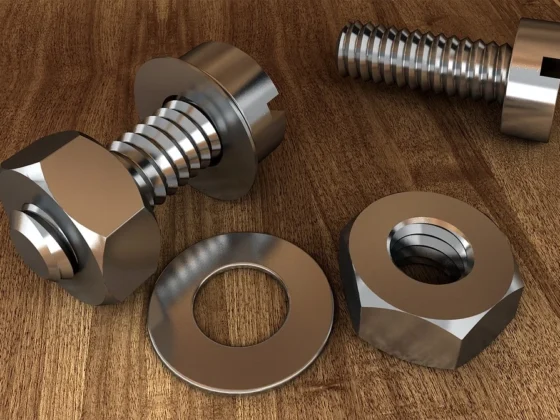
In the world of construction, manufacturing, and mechanical applications, fasteners play a crucial role. Among the various types available, stainless steel and zinc-plated fasteners stand out as popular choices. Understanding the differences between these two can help professionals make informed decisions that enhance durability, performance, and overall project success. In this comprehensive comparison, we will explore the practical applications, product differences, selection criteria, common mistakes, and safety considerations relevant to stainless steel and zinc-plated fasteners.
Introduction
Choosing the right fastener is essential for ensuring structural integrity and product longevity. Stainless steel fasteners are renowned for their corrosion resistance and strength, while zinc-plated fasteners offer affordability and versatile applications. This article aims to clarify the distinctions between these materials, featuring detailed insights tailored for contractors, industrial buyers, technicians, fabricators, mechanics, and procurement teams.
Key Differences Between Stainless Steel and Zinc-Plated Fasteners
Material Composition
-
Stainless Steel: Made primarily of iron, chromium, and nickel, stainless steel fasteners are designed to withstand harsh environments. The chromium content provides a protective layer that helps resist corrosion and rust.
-
Zinc-Plated Fasteners: These fasteners are typically made from carbon steel and are coated with a layer of zinc. This coating acts as a barrier against rust and corrosion, but it is generally less effective than stainless steel’s inherent properties.
Corrosion Resistance
-
Stainless Steel: Highly resistant to corrosion and oxidation; ideal for marine applications, outdoor projects, and environments with exposure to chemicals or moisture.
-
Zinc-Plated Fasteners: Offer moderate corrosion resistance, making them suitable for indoor applications and projects where minimal moisture exposure occurs. However, they can corrode in high-humidity or salty environments.
Strength and Durability
-
Stainless Steel: Exhibits superior tensile strength and durability, making it ideal for heavy-duty applications, such as structural steelwork, machinery, and equipment.
-
Zinc-Plated Fasteners: While providing adequate strength for many applications, they are typically less robust than stainless steel fasteners, making them ideal for lighter duty or temporary fastening needs.
Cost Implications
-
Stainless Steel: Generally more expensive due to the complexity of the manufacturing process and raw materials. However, the investment can result in lower maintenance costs over time, particularly in corrosive environments.
-
Zinc-Plated Fasteners: More budget-friendly, making them an attractive option for projects where cost considerations are paramount. However, potential long-term costs due to corrosion should be weighed.
Practical Applications
When to Use Stainless Steel Fasteners
- Marine Environments: Boats, docks, and waterfront structures
- Chemical Plants: Environments subject to corrosive substances
- Outdoor Construction: Decks, fencing, and outdoor furniture
When to Use Zinc-Plated Fasteners
- Indoor Furniture: Fastening applications in dry environments
- HVAC Systems: Suitable for ductwork and components that are not exposed to moisture
- Temporary Installations: Projects where fasteners may need to be replaced frequently
Selection Criteria for Fasteners
When selecting between stainless steel and zinc-plated fasteners, consider the following factors:
-
Environmental Exposure: Evaluate whether the fasteners will be used indoors or outdoors and the level of moisture or corrosive elements in the environment.
-
Load Requirements: Determine the weight and load conditions to ensure the chosen fastener can support the necessary strength.
-
Budget Constraints: Factor in the initial costs versus the long-term maintenance and replacement costs.
-
Application Specificity: Consider the specific industry standards and regulations that may dictate material choices.
Common Mistakes to Avoid
-
Overlooking Environmental Conditions: Ignoring the environment can lead to premature failure of fasteners, especially with zinc plating in coastal areas.
-
Choosing the Wrong Fastener Type: Using zinc-plated fasteners in a highly corrosive environment may necessitate costly repairs and replacements.
-
Neglecting Load Specifications: Failing to match the fasteners’ load capacity with application requirements can lead to structural failures.
Safety Considerations
-
Corrosion Risk: Ensure appropriate fasteners are matched to potential exposure conditions to prevent corrosion-related failures.
-
Installation Best Practices: Follow installation guidelines to prevent issues such as stripping or over-tightening, which can weaken fasteners.
-
Personal Protective Equipment (PPE): When handling fasteners, particularly in industrial settings, proper PPE should be worn to mitigate risks.
Conclusion
Choosing between stainless steel and zinc-plated fasteners requires a careful assessment of various factors, including environmental conditions, strength requirements, and budget constraints. By understanding the distinct characteristics and applications of each type, professionals can make informed decisions that enhance the integrity and longevity of their projects. For a comprehensive selection of fasteners, you can browse the product categories at World Tool and Supply, or request a wholesale quote to meet your specific needs.
Making the right choice will not only ensure the success of current projects but will also contribute to the long-term durability and safety of constructions and products.