Construction sites are bustling hubs of activity, which inherently come with a variety of risks. To ensure that workers remain safe while performing their tasks, having the right safety equipment is non-negotiable. This article will discuss must-have equipment for construction site safety that professional contractors, industrial buyers, and business procurement teams should consider when equipping their teams.
Understanding the Importance of Construction Site Safety Equipment
Ensuring safety on construction sites is not only a legal requirement but also a moral obligation to protect workers. Safety equipment reduces the risk of accidents, minimizes injury severity, and boosts overall morale. This equipment can vary from personal protective gear to structural safety systems, which can ultimately lead to higher productivity.
Key Categories of Safety Equipment
- Personal Protective Equipment (PPE)
- Site Safety Gear
- Safety Tools and Equipment
- First Aid Kits
1. Personal Protective Equipment (PPE)
Personal Protective Equipment is the first line of defense against workplace hazards. Here’s what you need:
Helmets
- Purpose: Protects against falling debris and head injuries.
- Selection Criteria: Look for helmets that meet ANSI Z89.1 standards for impact protection.
Safety Glasses and Face Shields
- Purpose: Shields eyes from flying particles and chemical splashes.
- Selection Criteria: Ensure they provide UV protection and meet ANSI Z87.1 Standard.
Hearing Protection
- Purpose: Prevents hearing loss in noisy environments.
- Types: Choose between earmuffs, earplugs, or helmets with integrated soundproofing.
High-Visibility Clothing
- Purpose: Increases worker visibility in low-light conditions.
- Selection Criteria: Look for clothing that meets ANSI/ISEA 107 standards for high visibility.
2. Site Safety Gear
Beyond PPE, site safety gear plays a critical role in maintaining a safe working environment.
Harnesses and Lanyards
- Purpose: Essential for working at height to prevent falls.
- Selection Criteria: Ensure compliance with ANSI Z359 standards and proper sizing.
Safety Nets
- Purpose: Provide fall protection and minimize injury risks.
- Selection Criteria: Look for nets that meet OSHA standards and are suitable for the construction environment.
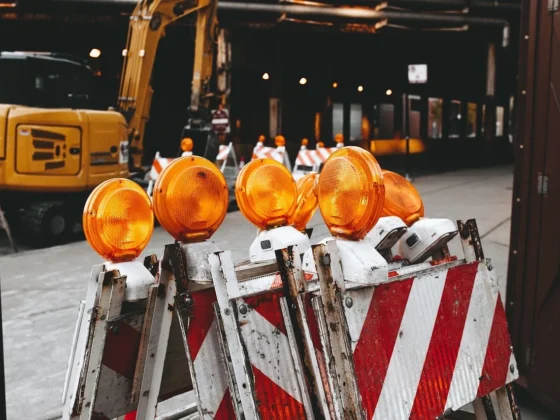
Barricades and Warning Signs
- Purpose: Indicate hazardous areas and prevent unauthorized access.
- Selection Criteria: Use signs that are clearly visible and compliant with OSHA standards.
Fire Extinguishers
- Purpose: Essential for tackling small fires before they escalate.
- Selection Criteria: Determine the appropriate type based on the site’s specific hazards (Class A, B, C, etc.).
3. Safety Tools and Equipment
Safety tools can enhance construction site safety significantly.
Ladders and Scaffolding
- Purpose: Allows safe access to elevated areas.
- Selection Criteria: Use ladders and scaffolding rated for the expected load, and ensure they comply with safety standards.
Power Tools with Safety Features
- Purpose: Improves efficiency while ensuring user safety.
- Selection Criteria: Look for tools with safety guards, automatic shut-offs, and ergonomic designs.
Material Handling Equipment
- Purpose: Reduces injuries related to lifting and carrying heavy items.
- Types: Consider pallet jacks, hoists, and forklifts designed for safe load management.
4. First Aid Kits
Having a well-stocked first aid kit on-site is imperative.
Content Essentials
- Bandages: Various sizes for wounds.
- Antiseptics: To clean cuts and abrasions.
- Burn creams: For immediate treatment of minor burns.
Selection Criteria
Ensure kits meet the specific needs of the site and are compliant with OSHA’s recommendations. Regularly check and restock supplies.
Common Mistakes to Avoid
- Neglecting Regular Inspections: Regular checks on safety equipment can ensure they function correctly when needed.
- Ignoring Training: Provide thorough training on how to correctly use safety equipment.
- Underestimating Risks: Always assess the construction environment for potential hazards to ensure all necessary equipment is available.
Conclusion
Ensuring safety on a construction site is paramount for the well-being of workers and the success of projects. By investing in the right must-have equipment for construction site safety—including PPE, site safety gear, safety tools, and first aid kits—contractors and procurement teams can create a safer working environment.
For a comprehensive selection of safety equipment tailored to your specific needs, browse World Tool and Supply or request a wholesale quote today. Prioritize safety today to ensure a safer tomorrow!