In the construction industry, worker safety is paramount. Protecting your workforce not only fulfills legal obligations but also enhances productivity and morale. The right tools and equipment can make a significant difference in minimizing risks on construction sites. This article explores the best construction tools and equipment designed to ensure worker safety while enhancing operational efficiency.
Understanding Worker Safety in Construction
The construction sector presents numerous hazards, such as falls, equipment-related injuries, and exposure to harmful materials. By prioritizing safety, employers reduce the risk of accidents and create a safer work environment. The use of appropriate tools and safety equipment is a crucial factor in this initiative.
Key Safety Considerations
When selecting construction tools and equipment, consider the following safety factors:
- Compliance: Ensure all tools meet relevant safety standards and regulations (e.g., OSHA).
- Ergonomics: Choose tools designed to minimize strain and injury.
- Material Quality: Opt for robust materials that withstand rigorous use.
- User Training: Provide proper training for all employees to enhance safe tool usage.
Essential Safety Equipment for Construction Workers
Personal Protective Equipment (PPE)
PPE is the first line of defense against workplace hazards. Here are some must-have safety gear for construction workers:
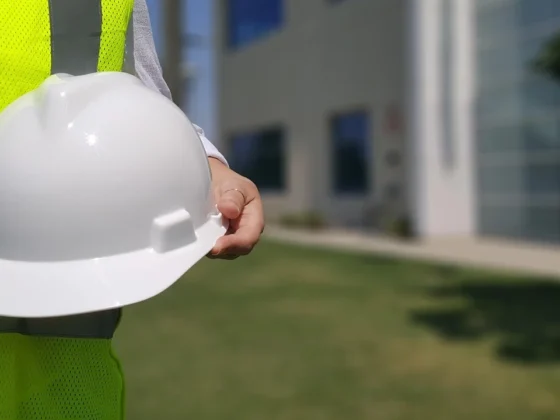
- Hard Hats: Protect against head injuries from falling objects.
- Safety Glasses: Shield eyes from debris and harmful substances.
- Gloves: Provide hand protection against cuts, abrasions, and chemicals.
- High-Visibility Vests: Ensure workers are easily observed, especially in low-light conditions.
- Ear Protection: Guard against hearing damage from loud machinery.
Safety Tools and Equipment
Besides personal protective equipment, specific tools contribute to a safer work environment.
1. Power Tools with Built-in Safety Features
- Cordless Drills: Ensure no tangled cords are present, minimizing tripping hazards.
- Circular Saws: Look for models with blade guards to prevent accidental contact.
- Impact Wrenches: Choose tools with torque controls to avoid over-tightening and damage to materials.
2. Fall Protection Systems
- Safety Harnesses: Provide critical support for workers on elevated platforms.
- Guardrails: Install around open edges to prevent falls.
- Safety Nets: Use in high-risk areas as an additional layer of fall protection.
3. Lifting Equipment
- Cranes and Hoists: Ensure they are regularly inspected and maintained to handle loads safely.
- Forklifts: Utilize models equipped with ergonomically designed controls and safety features to protect operators.
Common Mistakes to Avoid
- Ignoring Training: Lack of tool handling and safety training can lead to accidents.
- Overloading Tools: Every tool has a maximum load capacity; exceeding these limits increases risks.
- Neglecting Maintenance: Regular upkeep of tools ensures they function effectively and safely.
Selecting the Right Tools and Equipment
When choosing construction tools that prioritize safety, keep these criteria in mind:
- Functionality: Ensure the tool meets the specific needs of your project.
- Durability: Invest in high-quality materials to withstand the rigors of construction work.
- User Reviews: Research feedback from other professionals in the industry for insights on safety performance.
- Brand Reputation: Choose brands known for their commitment to safety features and compliance.
Conclusion
Prioritizing safety in construction is not just a regulatory requirement—it’s a moral obligation to protect workers. Investing in the best construction tools and equipment enhances safety standards and boosts productivity and morale. By equipping your workforce with quality PPE and safety tools, you can significantly minimize the risk of accidents and injuries on the job site. For a comprehensive selection of high-quality construction tools and safety equipment, explore World Tool and Supply, or request a wholesale quote to equip your team effectively.
With the right safety-first approach, you can build a more secure and efficient workplace.