When it comes to metalworking, having the right tools can make a significant difference in the quality of your work and the efficiency of your processes. Whether you’re a seasoned professional, a passionate hobbyist, or a member of a business procurement team seeking equipment for your shop, understanding which metalworking tools are essential is crucial. In this guide, we will explore must-have metalworking tools, their practical applications, and tips for selecting the right equipment.
Understanding Metalworking Tools
Metalworking encompasses a broad range of tasks, including cutting, shaping, and joining metal. A well-equipped workshop requires a selection of specialized tools to perform these tasks effectively. Here’s a breakdown of essential tools every metalworker should consider.
Essential Metalworking Tools
1. Metal Lathe
The metal lathe is a cornerstone of metalworking. This versatile machine allows for turning materials into various shapes and sizes by rotating the metal against a cutting tool.
Applications:
- Creating cylindrical parts
- Threading and boring holes
Selection Criteria:
- Consider the size of the workpieces
- Evaluate power and speed options
2. Milling Machine
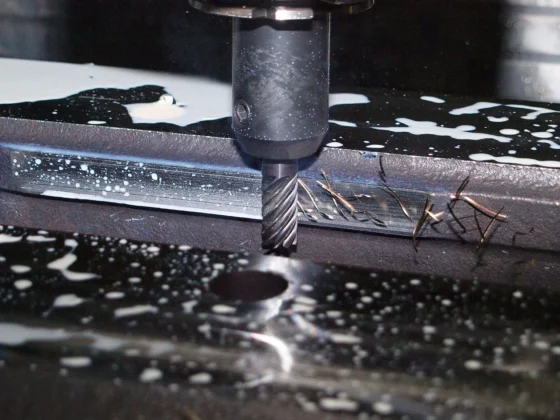
Milling machines are used to remove material from a workpiece through rotary cutters. It’s ideal for creating complex shapes and precise features on various materials.
Applications:
- Producing flat surfaces
- Designing intricate components
Common Mistakes:
- Using dull cutters can lead to poor finish and longer operation times.
- Not securing the workpiece properly can cause accidents and inaccuracies.
3. Band Saw
A band saw is essential for cutting metal into manageable pieces. They provide versatility and accuracy, making them popular among both professionals and DIY enthusiasts.
Applications:
- Curved cuts
- Straight cuts in larger stock
Safety Considerations:
- Always wear personal protective equipment (PPE) like gloves and goggles.
- Ensure the blade tension is correct to avoid breakage.
Additional Must-Have Tools
4. Welding Equipment
Welding tools, including MIG, TIG, and stick welders, are crucial for joining metal pieces together. Each type of welding serves different purposes and materials.
Considerations:
- Choose based on the thickness of materials
- Assess power requirements and portability
5. Drill Press
A drill press offers greater precision than a handheld drill for creating holes. It is especially useful for repetitive tasks or drilling into heavier metals.
Applications:
- Drilling accurate and perpendicular holes
- Creating various hole diameters with ease
6. Angle Grinder
An angle grinder is a versatile tool used for cutting, grinding, and polishing metal surfaces. It is an indispensable tool in any metalworking shop.
Safety Tips:
- Always use the proper disc for the task at hand.
- Keep your work area clean to avoid accidents.
Practical Applications and Selection Criteria
When selecting metalworking tools, consider the nature of the projects you typically undertake. Here are some helpful criteria to keep in mind:
- Material Compatibility: Ensure that the tools you choose can handle the materials you work with most frequently, such as steel, aluminum, or brass.
- Power Specifications: Depending on the size and scope of your work, consider whether you need portable or heavy-duty machinery.
- User Experience: Machinery should have safety features and ease of use for operators at all skill levels.
Conclusion
Equipping yourself with the right metalworking tools enhances efficiency and productivity while ensuring the quality of your finished products. From metal lathes to welding machines, each tool serves its purpose in shaping and joining metal effectively. Always keep safety and material compatibility in mind when choosing tools for your workshop.
For a comprehensive selection of metalworking tools, consider exploring World Tool and Supply or requesting a wholesale quote to find the right equipment tailored to your needs. Investing in high-quality tools will undoubtedly lead to better results, whether you’re a contractor, technician, or a dedicated hobbyist.