Selecting the right metalworking tools is a critical step for professionals in industries ranging from manufacturing to automotive repair. The tools you choose can significantly affect precision, efficiency, and overall project outcomes. In this article, we will explore essential considerations for choosing the right metalworking tools, helping contractors, fabricators, and technicians make informed decisions that meet their operational needs.
Understanding Your Metalworking Needs
Before diving into specifics, it’s important to analyze your requirements. Here are key factors to consider:
-
Project Type: Different projects require different tools. For example, are you fabricating parts, performing maintenance, or engaging in assembly work?
-
Material Types: Identify the materials you’ll be working with, such as aluminum, steel, or composites, as they will dictate the type of tools needed.
-
Volume of Work: Are you working on single projects or continuous production runs? High-volume work may demand more robust equipment.
Types of Metalworking Tools
To ensure you choose the right tools, familiarize yourself with the various types available:
Cutting Tools
- Saw Blades: Ideal for cutting different metal types; consider the blade’s material and tooth geometry.
- Drills: Essential for creating holes; look for drill bits designed for specific metals.
Shaping Tools
- Lathes: Used for shaping materials; important to select a lathe that matches your size and capability requirements.
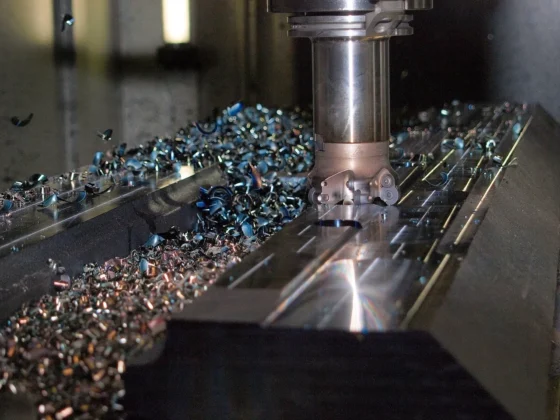
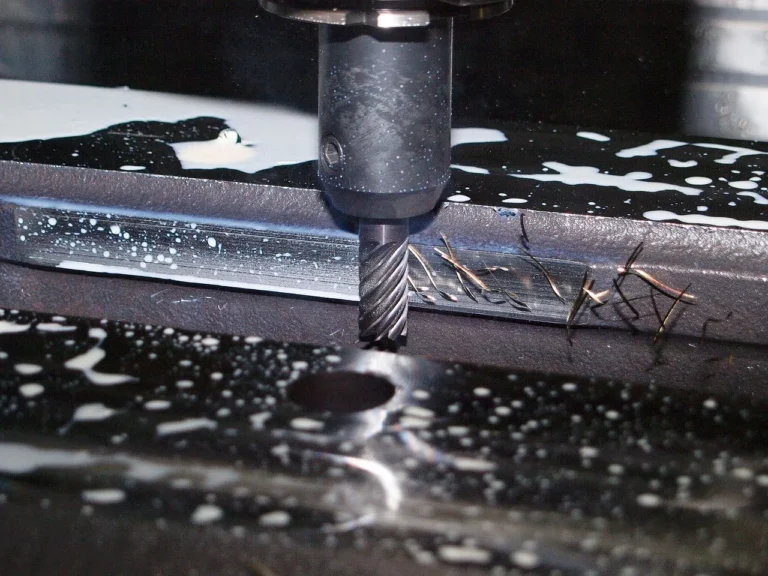
- Mills: Essential for precision machining; different configurations (CNC vs. manual) will suit different levels of work.
Finishing Tools
- Grinders and Sanders: For finishing surfaces, smoothing edges, and preparing for coatings.
- Polishing Tools: Important for achieving specific finishes on metal components.
Assembly Tools
- Wrenches and Sockets: Must be durable and suited to the torque requirements of your projects.
- Fastening Tools: Select between manual, pneumatic, or electric based on the scale of your work.
Key Selection Criteria
When choosing metalworking tools, consider the following factors:
Quality and Durability
- Look for tools made from high-quality materials that can withstand rigorous use.
- Check ratings and reviews before making a purchase. Quality tools reduce long-term costs.
Precision and Accuracy
- If your work demands high precision, invest in tools with tight tolerances.
- Brands that specialize in advanced machining are often the best choice for precision work.
Ergonomics and Usability
- Choose tools that are comfortable to handle, especially if they will see extended use.
- Check for features like anti-vibration grips and adjustable locking mechanisms.
Compatibility
- Ensure that the tools you choose are compatible with your existing equipment and work processes.
- Sometimes, investing in a complete system may provide better results than piecemealing different brands.
Common Mistakes to Avoid
- Overlooking Tool Specifications: Failing to understand what a tool can handle can result in tool failure or project delays.
- Ignoring Maintenance: Quality tools require proper maintenance to remain effective. Establish a regular maintenance schedule to prolong tool life.
- Underestimating Safety: Always adhere to safety guidelines. Invest in personal protective equipment (PPE) to minimize risk.
Safety Considerations
Safety in metalworking should never be an afterthought. Here are vital safety tips:
- Use the Right PPE: Always wear gloves, goggles, and ear protection when using metalworking tools.
- Follow Manufacturer Guidelines: Each tool may have specific safety recommendations.
- Keep Your Workspace Organized: A clutter-free environment reduces the risk of accidents.
Conclusion
Choosing the right metalworking tools is essential for achieving quality results and ensuring safety on the job. By understanding your specific needs, familiarizing yourself with different tool types, considering crucial selection criteria, and avoiding common mistakes, you can make informed decisions that enhance your productivity.
For an extensive range of professional metalworking tools, browse our categories at World Tool and Supply or request a wholesale quote to find the best options that meet your operational requirements. Ultimately, investing in the right tools will pay dividends in efficiency and quality for your metalworking projects.