
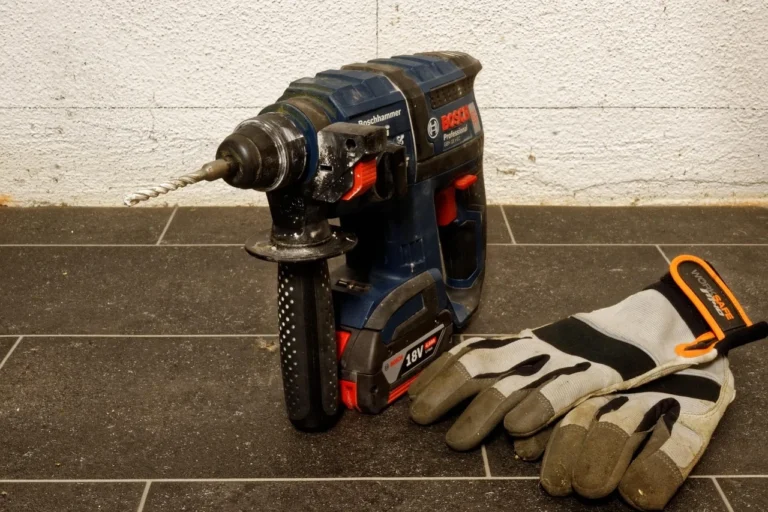
When it comes to heavy-duty drilling and breaking applications, understanding the differences between a rotary hammer and a hammer drill is essential for professionals in the construction and industrial sectors. This comprehensive guide will delve into the specifications, applications, and key selection criteria to help you choose the right tool for your specific needs.
Understanding the Basics: What Is a Rotary Hammer and What Is a Hammer Drill?
Rotary Hammer
A rotary hammer is a power tool that combines rotation with hammering action to bore through hard materials like concrete, stone, and masonry. These tools are often used for:
- Drilling large diameter holes: Ideal for anchor installations and plumbing.
- Chiseling: Many rotary hammers come with a chisel mode for breaking up concrete.
- Heavy-duty applications: Suitable for professional contractors who require robust performance.
Hammer Drill
A hammer drill, on the other hand, employs a rapid hammering action while spinning to drill into masonry, drywall, and wood. The hammer drill is best used for:
- Light to medium masonry applications: Perfect for small holes and softer materials.
- Drilling into wood and metal: Versatile for various tasks around the job site.
- Home improvement: A go-to tool for DIY projects and renovations.
Key Differences Between Rotary Hammer and Hammer Drill
Power and Performance
- Rotary Hammer: More powerful, typically producing at least 2.5 Joules of impact energy. This makes it suitable for tough jobs that require high drilling speeds and the ability to break through hard materials.
- Hammer Drill: Generally less powerful, with lower impact energy, making it more suited for lighter tasks.
Mechanism
- Rotary Hammer: Uses a piston mechanism to drive the hammering action, providing direct and sustained impact.
- Hammer Drill: Uses a clutch system that works by rapidly moving the drill bit back and forth, which may not deliver the same level of impact as a rotary hammer.
Bit Compatibility
- Rotary Hammer: Typically uses SDS (Slotted Drive System) or SDS-plus bits, which are designed for high-effort drilling and chiseling tasks.
- Hammer Drill: Uses standard drill bits that fit into a three-jaw chuck, allowing for greater versatility with various drill types.
Applications: Which Tool for Which Task?
When to Use a Rotary Hammer
- Large-Scale Demolition: When tackling concrete walls or large areas needing excavation.
- Frequent Use on Hard Materials: Ideal for contractors who regularly drill into reinforced concrete.
- Heavy Chiseling Projects: For removal or modification of existing structures.
When to Use a Hammer Drill
- General Construction Tasks: Great for hanging shelves, installing fixtures, or repairing drywall.
- Masonry Projects: Best for smaller projects like drilling holes for tapcons or small anchors.
- Intermittent Use: Perfect for those who don’t require a heavy-duty tool frequently.
Selection Criteria: What to Consider
- Project Requirements: Evaluate the materials you will be drilling into most often.
- Frequency of Use: For professional contractors, investing in a rotary hammer may be worthwhile; for occasional tasks, a hammer drill may suffice.
- Weight and Ergonomics: Consider the weight of the tool, especially for extended periods of use.
- Budget: Rotary hammers can be more expensive, so weigh your investment against your needs.
Common Mistakes to Avoid
- Using a Hammer Drill Where a Rotary Hammer Is Needed: Attempting to drill into tough materials with insufficient tools can lead to tool damage or poor results.
- Ignoring Proper Safety Gear: Always use eye protection and earplugs when operating power tools, especially those with significant force like rotary hammers.
- Neglecting Maintenance: Regularly clean and maintain both types of drills to extend their lifespan and ensure optimal performance.
Safety Considerations
- Wear Protective Gear: Safety glasses, gloves, and dust masks are essential when drilling into concrete or masonry.
- Power Sources: Be aware of your power source and ensure cords are in good condition to prevent electrical hazards.
- Work Environment: Make sure to have a clear workspace, especially when using heavier tools like rotary hammers that create debris.
Conclusion
Understanding the difference between a rotary hammer and a hammer drill is crucial for professional contractors, industrial buyers, and technicians. By examining their respective features, applications, and best-use scenarios, you can make an informed decision that fits your project needs. Whether you’re engaged in heavy demolition or medium-duty drilling, the right tool can enhance efficiency and ensure quality results.
For those considering an upgrade or a first-time purchase, browse the relevant product categories at World Tool & Supply or request a wholesale quote to explore options that meet your specifications. Investing in the right equipment will not only save you time but also ensure the success of your projects.