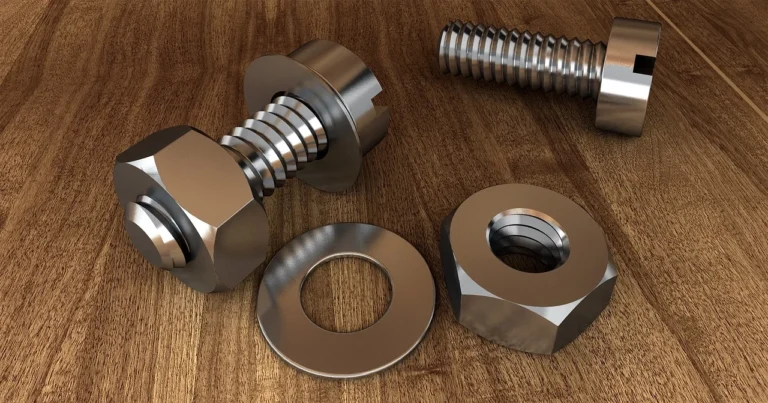
When it comes to fasteners, the choices can be overwhelming, especially for professional contractors, industrial buyers, technicians, fabricators, mechanics, and procurement teams. Two popular options are stainless steel fasteners and zinc-plated fasteners. Each type comes with unique properties and applications that can make a significant impact on your projects. In this article, we will explore the key differences between these two types of fasteners, helping you make informed decisions based on their material properties, applications, and selection criteria.
Understanding Fasteners: An Overview
Fasteners are crucial components in construction, manufacturing, and repair. They hold parts together and can significantly affect the durability and reliability of a project. Choosing the appropriate fastener material is important, as it can influence corrosion resistance, strength, and compatibility with various environments.
What Are Stainless Steel Fasteners?
Stainless steel fasteners are made from an alloy of steel containing chromium, which provides exceptional resistance to corrosion. There are different grades of stainless steel, such as 304 and 316, each offering varied levels of strength and resistance to environmental conditions.
Benefits of Stainless Steel Fasteners:
- Corrosion Resistance: Ideal for outdoor and marine environments.
- Strength and Durability: High tensile strength makes them suitable for heavy-duty applications.
- Longevity: Less prone to rust and degradation over time.
- Aesthetic Appeal: Often used in visible applications due to their shiny, polished finish.
Common Applications:
- Construction in coastal areas
- Automotive manufacturing
- Medical devices
- Food processing equipment
What Are Zinc-Plated Fasteners?
Zinc-plated fasteners are steel fasteners that have been coated with a layer of zinc. This coating adds a protective barrier against corrosion, though it typically remains less robust than the inherent properties of stainless steel.
Benefits of Zinc-Plated Fasteners:
- Cost-Effective: Generally cheaper than stainless steel fasteners.
- Moderate Corrosion Resistance: Offers protection suitable for indoor environments and light exposure.
- Variety of Options: Available in multiple sizes and shapes for numerous applications.
Common Applications:
- General construction
- Household repairs
- Automotive applications where exposure to elements is minimal
Key Differences Between Stainless Steel and Zinc-Plated Fasteners
Corrosion Resistance
- Stainless Steel: Highly resistant to rust and corrosion, making it ideal for harsh conditions.
- Zinc-Plated: Provides some level of corrosion protection, but can flake and wear down over time.
Strength and Durability
- Stainless Steel: Offers superior strength and can withstand higher loads, making it ideal for critical applications.
- Zinc-Plated: Adequate for regular usage but may not hold up in heavy-duty situations.
Price Point
- Stainless Steel: Typically more expensive due to the material costs and manufacturing processes.
- Zinc-Plated: Generally more affordable, making them attractive for budget-sensitive projects.
Aesthetic Consideration
- Stainless Steel: Aesthetically pleasing with a bright finish; often used in visible applications.
- Zinc-Plated: Usually less visually appealing; intended for areas where they will not be seen.
Selection Criteria: Choosing the Right Fastener
When choosing between stainless steel and zinc-plated fasteners, consider the following factors:
- Environment: Assess whether the fasteners will be used indoors or outdoors, and the likelihood of corrosion exposure.
- Load Requirements: Determine the strength needed for your application. Heavy-duty projects may require stainless steel.
- Budget: Balance the need for quality with your project’s budget constraints.
- Aesthetic Needs: Consider whether the fasteners will be visible and their impact on the overall appearance of the project.
Common Mistakes to Avoid
- Overlooking Environmental Conditions: Using zinc-plated fasteners in high-humidity or salty environments can lead to premature failure.
- Budgeting Without Assessing Quality: Opting for lower-cost fasteners without considering their longevity can lead to increased maintenance costs.
- Neglecting Specifications: Always check the grades and specifications of fasteners to ensure they meet your project needs.
Safety Considerations
While both stainless steel and zinc-plated fasteners are generally safe to use, it’s essential to consider:
- Proper Torqueing: Over-tightening fasteners can lead to stripping and loss of integrity.
- Material Compatibility: Avoid using dissimilar metals in direct contact, which can lead to galvanic corrosion.
Conclusion
When selecting fasteners for your next project, understanding the differences between stainless steel fasteners and zinc-plated fasteners is key. Each type has its strengths and limitations, making it crucial to align your choice with the application, environmental conditions, and budget. Whether you’re involved in construction, repair, or fabrication, getting the right fastener for the job will ensure safety, longevity, and performance.
For an extensive selection of both stainless steel and zinc-plated fasteners, browse the relevant product categories at World Tool and Supply or request a wholesale quote for your project needs. Make an informed decision today!