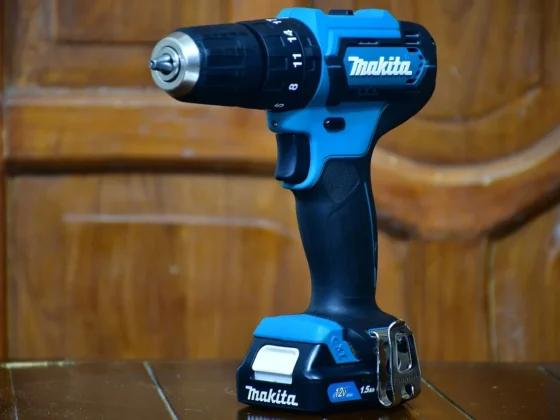
When it comes to power tools, choosing between cordless and corded options can be a pivotal decision for contractors, technicians, and fabricators. Understanding the differences between these types of tools, their specific applications, and their advantages and disadvantages is essential to making an informed purchase. In this article, we’ll explore the ultimate showdown between cordless and corded power tools, guiding you through essential selection criteria, practical applications, common mistakes to avoid, and crucial safety considerations.
Understanding Power Tool Categories
Before diving into the core comparisons, it’s important to understand what sets corded and cordless tools apart.
Corded Power Tools
Corded power tools are typically equipped with an electrical cord that connects directly to a power outlet. These tools tend to deliver consistent power and torque.
Advantages:
- Unlimited Runtime: As long as there is electricity, corded tools can operate without interruptions.
- Steady Power Output: Reliable performance without fluctuations in power, making them ideal for heavy-duty tasks.
- Generally Lower Cost: Often more affordable than their cordless counterparts, especially for high-powered tools.
Cordless Power Tools
Cordless tools operate on rechargeable batteries, offering greater portability and convenience.
Advantages:
- Portability: Ideal for jobs requiring mobility, especially when working in remote locations without accessible power outlets.
- Ease of Use: Lighter and often more comfortable to maneuver, which is beneficial for extended work periods.
- Technological Innovations: Advances in battery technology, such as lithium-ion batteries, have significantly improved power and runtime.
Practical Applications: When to Use Each Tool
Understanding the specific applications of each type of tool can help professionals select the right option for their projects.
Corded Tools: Ideal Uses
- Heavy-Duty Construction: Drilling, sawing, and grinding tasks that require sustained high power.
- Permanent Workspaces: Ideal for use in workshops or job sites with reliable power sources.
- Precision Work: Tools like corded routers and jigsaws offer the stable power needed for detailed work.
Cordless Tools: Ideal Uses
- Remodeling Projects: Great for renovations where access to power is limited.
- Outdoor Work: Tools like cordless drills and saws are perfect for outdoor applications.
- Mobility-Dependent Tasks: Situations that require frequent moving, such as framing or roofing.
Selecting the Right Tool: Key Criteria
When choosing between cordless and corded tools, several selection criteria come into play:
-
Power Requirements: Assess the power needs of your tasks. For high-demand applications, corded tools might be more suitable.
-
Portability Needs: If you frequently work in diverse locations, the flexibility of cordless tools may outweigh the benefits of corded tools.
-
Runtime Availability: Consider how often you’re near a power source. If you primarily work off the grid, invest in a robust cordless option.
-
Budget Constraints: If cost is a consideration, corded tools may present a more economical solution for high-performance specifications.
-
Battery Technology: With cordless options, look for tools using advanced batteries that offer quick charging and longer lifespan.
Common Mistakes to Avoid
Even seasoned professionals can make errors in selecting the right tools. Here are some common pitfalls to avoid:
- Overlooking Compatibility: Ensure that batteries from cordless tools are compatible with other tools in your set to maximize efficiency.
- Ignoring Power Ratings: Failing to check the amperage or wattage ratings can lead to underpowered tools for heavy tasks.
- Neglecting Maintenance: Regularly maintain both types of tools to ensure optimal performance and longevity.
Safety Considerations
Safety should always be your top priority when using power tools. Here are some important considerations for both types:
Corded Tools
- Electrical Hazards: Be cautious of water exposure and frayed cords.
- Trip Hazards: Moved cords can create tripping risks on job sites.
Cordless Tools
- Battery Safety: Avoid overheating batteries and follow manufacturer guidelines for charging.
- Adverse Weather: Using cordless tools in wet conditions can lead to malfunctions or safety hazards.
Conclusion
In the ultimate showdown between cordless and corded power tools, each type has its unique advantages and applications. For professional contractors, industrial buyers, and technicians, choosing the right tools hinges on understanding your specific power needs, the nature of your work environment, and budget constraints.
Whether you lean toward the mobility and convenience of cordless tools or the consistent power of corded tools, make sure to browse the extensive selection at World Tool & Supply. Embrace innovation at your fingertips and elevate your projects with the tools that best suit your needs!