
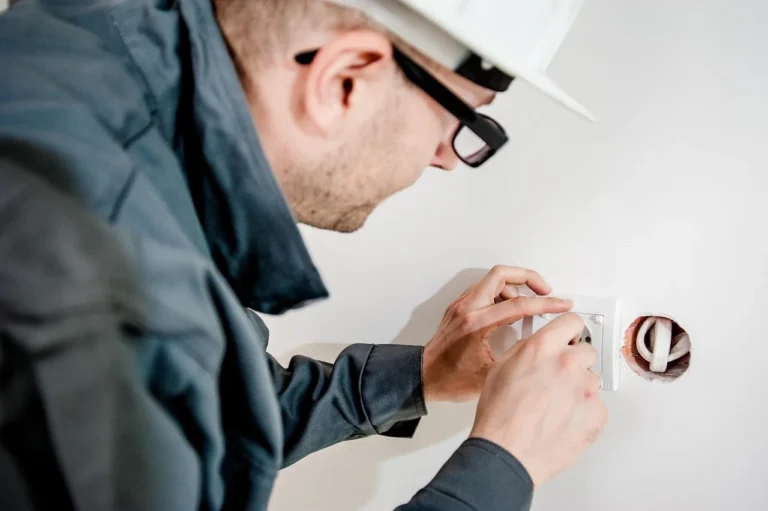
In the fast-paced world of electrical work, having the right tools at your disposal can make the difference between a successful project and unnecessary delays. Whether you’re a seasoned electrician or just starting in the field, understanding the essential electrical tools you need is crucial. This article will explore the top electrical tools every electrician should own, guiding you through their practical applications, selection criteria, and safety considerations.
Why Quality Tools Matter for Electricians
Investing in quality tools enhances efficiency, ensures safety, and delivers high-quality results. Professional contractors and technicians should consider both performance and durability when selecting electrical tools. High-quality tools also often come with better warranties and support.
Essential Electrical Tools
1. Multimeter
A multimeter is an indispensable tool for any electrician. It allows you to measure voltage, current, and resistance, making it essential for troubleshooting electrical systems.
- Types: Digital multimeters (DMM) are more common due to their accuracy and ease of use, whereas analog multimeters can provide a visual display of varying electrical values.
- Tips for Selection: Look for a model that offers a wide range of measurement capabilities (AC/DC voltage, resistance, continuity) and a sturdy design for durability.
2. Wire Strippers
Wire strippers are crucial for safely removing the insulation from wires without damaging the conductor.
- Types: Automatic and manual wire strippers cater to different preferences. Automatic models can speed up the stripping process.
- Common Mistake: Always choose the appropriate gauge setting for the wire you are working with to avoid damaging the wire.
3. Screwdrivers Set
A versatile screwdriver set is essential for various tasks, from installing light fixtures to securing outlets.
- Features to Look For: Ensure the set includes both flathead and Phillips screwdrivers, possibly in multiple sizes. Magnetic tips can also enhance convenience.
- Safety Note: Insulated screwdrivers are recommended when working with live circuits.
4. Pliers
Pliers are multifunctional tools used for gripping, twisting, bending, and cutting wires.
- Types: Needle-nose, lineman’s, and wire-cutting pliers are vital for electrical work.
- Selection Criteria: Choose pliers with cushioned grips for comfort and good leverage.
5. Cable Cutters
Efficient cable cutters are essential for handling larger gauge wires and cables with ease.
- Tips for Use: Ensure that the cutters are specifically rated for electrical applications to guarantee clean cuts without fraying.
6. Fish Tape
For pulling wires through conduits, fish tape is a must-have tool in every electrician’s toolkit.
- Types Available: Steel and fiberglass fish tapes have different applications; choose based on the strength required.
- Practical Application: Use fish tape to navigate through tight spaces and to pull multiple wires at once.
7. Voltage Tester
A voltage tester is crucial for checking if a wire or circuit is live, ensuring safety before starting work.
- Variations: Non-contact testers and contact testers serve different needs. Non-contact testers are handy for quick checks when safety is a priority.
- Safety Consideration: Always double-check voltage tests before handling any electrical conductors.
8. Conduit Bender
If working with rigid or EMT conduit, a conduit bender is invaluable for creating precise bends.
- Selection Tips: Look for adjustable benders that suit various conduit sizes and offer clear angle markings.
Safety Considerations While Using Electrical Tools
Safety is paramount in electrical work. Here are a few essential precautions:
- Use PPE: Always wear personal protective equipment, including gloves and safety glasses.
- Inspect Tools Regularly: Regular checks for wear and tear can prevent accidents.
- Follow Manufacturer Instructions: Ensure thorough understanding of the tools’ operating manuals.
Common Mistakes to Avoid
- Relying on Cheap Tools: Investing in high-quality tools pays off in reliability and longevity.
- Neglecting Tool Maintenance: Keeping tools clean and in good condition prolongs their life and ensures safety.
- Ignoring Proper Training: Always seek proper training and understand the risks associated with electrical work.
Conclusion
The right tools can significantly enhance your efficiency and safety as an electrician. From multimeters to conduit benders, each tool has its unique role in ensuring successful electrical projects. For quality electrical tools, consider exploring a wide range of options at World Tool and Supply and request a wholesale quote for bulk purchases. By selecting the right tools and prioritizing safety, you can achieve outstanding results in your electrical work.
