When it comes to tackling home repairs, having the right plumbing tools at your disposal can make all the difference. Whether you are a professional contractor, a handyman, or a DIY enthusiast, understanding the top plumbing tools for home repairs can save you time, effort, and money. In this article, we’ll delve into the essential plumbing tools, their practical applications, differences, selection criteria, and some common mistakes to avoid.
Why Quality Plumbing Tools Matter
Investing in quality plumbing tools is crucial for several reasons:
- Efficiency: The right tools allow you to complete repairs and installations faster.
- Quality of Work: High-quality tools ensure that jobs are done correctly, reducing the likelihood of leaks or failures.
- Safety: Proper tools help minimize accidents and injuries during repairs.
Essential Plumbing Tools for Home Repairs
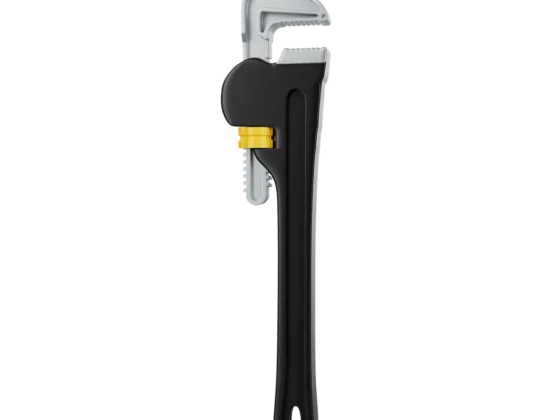
1. Pipe Wrench
Application: Used to grip and turn pipes of various sizes.
Types:
- Tapered Jaw Wrench: Ideal for tightening and loosening hex nuts and fittings.
- Offset Wrench: Useful in tight spaces.
Selection Criteria: Look for adjustable sizes and strong, durable materials. A coated handle improves grip and reduces slippage.
2. Adjustable Wrench
Application: Perfect for loosening or tightening various sizes of nuts and bolts.
Differences: Unlike a fixed wrench, the adjustable design allows for versatility across different projects.
Tip: Invest in a cushioned handle for better grip and comfort during extended use.
3. Plumber’s Snake
Application: Used for clearing clogs in drains and pipes.
Types:
- Manual Snake: Suitable for minor clogs; operated by hand.
- Electric Snake: More powerful for tougher blockages.
Common Mistake: Using excessive force can damage pipes. Start with minor adjustments before applying heavy pressure.
4. Pipe Cutter
Application: Ideal for cutting pipes cleanly and accurately.
Types:
- Rotary Pipe Cutter: For PVC or copper pipes.
- Die-Cast Pipe Cutter: For steel or heavy-duty applications.
Safety Consideration: Always wear protective eyewear to shield your eyes from debris.
5. Teflon Tape
Application: Used for sealing threaded pipe joints to prevent leaks.
Tip: Wrap the tape around the threads in a clockwise direction to ensure a tight seal.
6. Plumber’s Level
Application: Essential for ensuring your fixtures and pipes are perfectly level.
Details: A 48-inch level is commonly used for plumbing installations, ensuring accuracy and professionalism.
Choosing the Right Tools
When selecting plumbing tools for home repairs, consider the following criteria:
- Material Quality: Look for tools made of stainless steel or durable alloys that resist rust and wear.
- Ergonomics: Choose tools with comfortable grips to prevent fatigue during extended use.
- Versatility: Opt for multi-functional tools that can handle various types of jobs.
Common Mistakes When Using Plumbing Tools
- Using the Wrong Tool: Always ensure the tool fits the job. Using the wrong size wrench can strip nuts and damage fittings.
- Neglecting Maintenance: Regularly check and maintain your tools to prolong their lifespan and ensure safety.
- Ignoring Safety Gear: Always use gloves and goggles when working on plumbing to protect from sharp edges and debris.
Conclusion
In summary, having the right plumbing tools for home repairs is crucial not only for efficiency but also for the long-term success of your plumbing projects. From pipe wrenches to plumber’s snakes, understanding each tool’s purpose and application will empower you to tackle various tasks confidently and safely.
For a comprehensive selection of plumbing tools and equipment tailored for both professional contractors and DIY enthusiasts, consider browsing the appropriate product category at World Tool and Supply or request a wholesale quote for bulk purchases. Having the right tools on hand will make all the difference in your home repair experience.