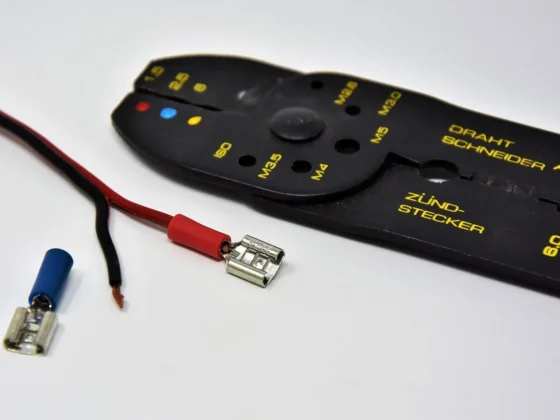
Wire crimping is an essential skill for professionals in various fields—electricians, mechanics, and engineers alike rely on it to ensure reliable electrical connections. However, even seasoned experts encounter challenges. This article aims to assist contractors and technicians by highlighting common wire crimping issues and providing troubleshooting solutions to enhance productivity and safety in the workplace.
Understanding Wire Crimping
Before addressing troubleshooting techniques, it’s crucial to understand what wire crimping is. Crimping involves compressing a connector onto a wire to create a reliable electrical joint. This method is commonly used for terminating wires in electronic devices, constructing audio systems, and ensuring robust power connections in machinery.
Common Wire Types and Crimp Connector Variability
Wire crimping involves a variety of wire types, including:
- Solid Wire: Single-stranded, often used in permanent installations.
- Stranded Wire: Composed of multiple strands, providing flexibility.
- Flexible Wire: Designed for high-movement applications.
Different types of connectors (insulated, non-insulated, and weatherproof) and tools (manual crimpers, hydraulic crimpers) are also used, each affecting the crimping process’s effectiveness. Selecting the appropriate wire and connector type for your application is critical to success.
Common Wire Crimping Issues
1. Insufficient Crimping Pressure
Symptoms:
- Loose connections
- Increased electrical resistance
Causes:
- Incorrect crimping tool usage.
- Dull or damaged crimping tool.
Solution:
Ensure the crimping tool is suitable for the wire gauge and connector type. Regularly check tool sharpness and replace if necessary. Adjust the crimping pressure based on the connector specifications to ensure a secure joint.
2. Over-Crimping
Symptoms:
- Connector deformation
- Wire insulation damage
Causes:
- Using incorrect die size on the crimping tool.
- Unprofessional or rushed crimping technique.
Solution:
Utilize crimping tools with adjustable settings or dies compatible with your specific connectors. Take your time to ensure an even application of pressure without over-crimping.
3. Connector Misalignment
Symptoms:
- Intermittent connectivity
- Electrical shorts
Causes:
- Improper wire insertion into connector.
- Movement during the crimping process.
Solution:
Before crimping, ensure the wire is fully inserted and aligned within the connector. Maintain a steady hand and a stable surface while crimping to avoid misalignment.
4. Insulation Damage
Symptoms:
- Short circuits
- Frayed wires
Causes:
- Excessive stripping of wire insulation.
- Incorrect crimping tool being used.
Solution:
Carefully strip the wire to the manufacturer’s recommended length. Use wire strippers suitable for the gauge to prevent fraying. Always make sure the insulation is intact when crimping.
5. Environmental Stress
Symptoms:
- Premature failure under load
- Corrosion of exposed wires
Causes:
- Inadequate connector choice for specific applications (e.g., weatherproof vs. non-weatherproof).
- Incorrect storage leading to oxidation.
Solution:
Select the right connector for the environment (e.g., moisture-resistant connectors for outdoor use). Store crimp connectors in a dry, controlled environment to maintain longevity.
Safety Considerations
Crimping tools and connectors can pose safety risks if not properly handled. Here are some safety tips:
- Always wear appropriate personal protective equipment (PPE).
- Keep your workspace tidy to avoid accidents.
- Regularly inspect tools for damages or defects.
- Be aware of electrical safety procedures, especially when working near live wires.
Conclusion
By understanding and troubleshooting common wire crimping issues, professionals can ensure secure and efficient connections, enhancing the reliability of their work. Whether you’re a contractor, technician, or part of a procurement team, keeping these insights in mind will save you time, reduce waste, and improve safety.
For high-quality crimping tools and connectors, consider browsing categories at World Tool & Supply or requesting a wholesale quote. Proper equipment selection and maintenance will enhance your wire crimping experience while ensuring optimal results.