
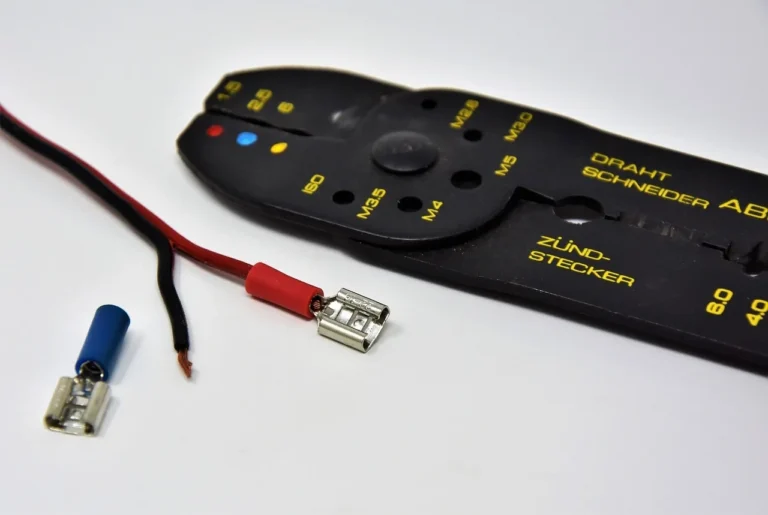
Wire crimping tools are essential in various industries ranging from electrical contracting to automotive repair. These tools are designed to create secure electrical connections between wires and terminals, ensuring safety and reliability in all applications. In this ultimate guide, we’ll explore the different types of wire crimping tools, their practical applications, selection criteria, common mistakes to avoid, and relevant safety considerations. This comprehensive resource is perfect for professional contractors, industrial buyers, technicians, fabricators, mechanics, and business procurement teams.
What Are Wire Crimping Tools?
Wire crimping tools are specialized hand tools or machines used to join electrical connectors to a wire by deforming the connector to mate with the wire. This mechanical connection prevents the need for soldering, providing a quick and affordable alternative while still maintaining reliability and safety.
Types of Wire Crimping Tools
Understanding the different types of crimping tools available can help you select the best one based on your specific needs:
-
Handheld Crimping Tools
- Manual Crimpers: Ideal for light to medium-duty applications. They typically require manual force to crimp connectors onto wires.
- Ratchet Crimpers: These tools have a ratcheting mechanism for increased leverage, making them suitable for thicker wires and connectors.
-
Electrical Crimping Machines
- Bench-mounted Crimpers: Suitable for industrial work environments requiring high-volume production. These machines automate the crimping process for faster productivity.
- Hydraulic Crimpers: Used for heavy-duty application. They use hydraulic pressure to achieve crimping on larger gauge wires.
-
Specialty Crimping Tools
- Coaxial Crimpers: Specifically designed for coaxial cables, often used in telecommunications.
- Insulation Displacement Crimpers: Ideal for connecting wires to connectors without stripping the insulation, thus saving time.
Practical Applications of Wire Crimping Tools
Wire crimping tools find extensive use in various applications:
- Electrical Wiring: Connecting wires to connectors in residential or commercial electrical installations.
- Automotive Repair: Crimping connectors for sensors, batteries, and other electrical components in vehicles.
- Industrial Equipment: Ensuring reliable connections in machinery and electronics, particularly in manufacturing settings.
- Telecommunications: Establishing connections between cables and digital equipment in networking and communication systems.
How to Choose the Right Wire Crimping Tool
Selecting the right wire crimping tool involves considering several factors:
1. Wire Gauge Compatibility
- Ensure the tool can accommodate the wire sizes you will be working with, ranging from smaller gauges (e.g., 22 AWG) to larger ones (e.g., 10 AWG and above).
2. Type of Connectors
- Identify the types of connectors you will be using (e.g., insulated vs. non-insulated) and select a tool that is designed for those connectors.
3. Crimping Technique
- Consider whether manual, ratchet, or powered crimpers are most suitable for your workload and precision needs.
4. Durability and Build Quality
- Look for tools made from high-quality materials such as stainless steel, which can withstand regular use in demanding environments.
5. Ergonomic Design
- Opt for tools that offer comfort and reduce hand fatigue, especially for professionals who use them frequently.
Common Mistakes to Avoid
While using wire crimping tools can be straightforward, several common errors can compromise the integrity of the crimp:
-
Using the Wrong Tool: Ensure you are using the appropriate tool for your specific crimping application. Using a tool intended for smaller gauges on larger wire can lead to poor connections.
-
Insufficient Force: Not applying enough crimping force can result in a loose connection. Conversely, over-crimping can damage the wire or connector.
-
Neglecting Inspection: Always inspect your crimped connections for correctness. A quick visual check can prevent costly failures down the line.
Safety Considerations
When using wire crimping tools, it is crucial to follow safety guidelines to prevent injuries and ensure optimal performance:
-
Wear Safety Gear: Use protective eyewear and gloves, particularly when working in industrial environments.
-
Keep Tools Maintained: Regularly clean and maintain your crimping tools to prevent them from malfunctioning or causing injury.
-
Choose the Right Setting: Work in a well-lit area to ensure visibility during crimping, reducing the risk of errors.
Conclusion
Wire crimping tools are vital for professionals in various trades, providing reliable methods for creating secure electrical connections. By understanding the types of tools available, their applications, and key selection criteria, you can make informed decisions that enhance your work efficiency. Remember to avoid common mistakes and prioritize safety when using these essential tools. For a range of quality wire crimping products, consider browsing World Tool and Supply’s selection or request a wholesale quote for your procurement needs. Equip yourself with the right tools to ensure success in every project you undertake.
