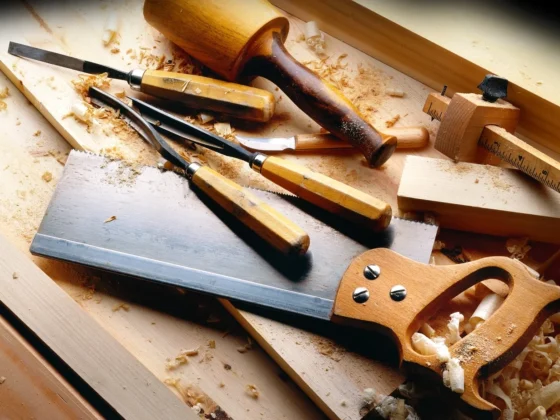
Woodworking has evolved beyond simple craftsmanship into a meaningful form of expression and a practical skill set for DIY enthusiasts. The modern woodworker relies on a range of versatile woodworking tools to create intricate designs, functional pieces, and impressive projects. In this article, we will explore essential woodworking tools that empower both professionals and hobbyists to elevate their craft.
Why Versatile Woodworking Tools Matter
When it comes to woodworking, the right tools can be the difference between a mediocre project and an extraordinary one. Versatile woodworking tools not only save time but also improve accuracy and expand creative possibilities. Understanding the different types of tools available is crucial for making informed purchasing decisions, especially for contractors, industrial buyers, and technicians who require reliable equipment.
Types of Versatile Woodworking Tools
1. Power Tools
Power tools are essential for speeding up the woodworking process. They include:
-
Circular Saws: Ideal for making straight cuts in wood with ease. Suitable for both beginners and seasoned woodworkers.
-
Table Saws: Provide precision and power, perfect for making repetitive cuts and handling larger pieces of wood.
-
Router: Used for hollowing out areas in wood, adding decorative edges, and creating intricate designs.
-
Jigsaws: Versatile tools for making intricate cuts and curved designs, perfect for detailed projects.
2. Hand Tools
While power tools are indispensable, hand tools offer precision and control. Essential hand tools include:
-
Chisels: Ideal for detailed carving and refining edges. High-quality chisels are essential for producing clean and accurate cuts.
-
Hand Saws: Excellent for fine work and intricate cuts where power tools are impractical.
-
Planers: Used for smoothing and flattening wooden surfaces. They are vital for creating a professional finish.
-
Clamps: Essential for holding pieces together while glue dries or for stabilizing lumber during cutting and shaping.
3. Measuring and Layout Tools
Accurate measurements are crucial in woodworking. Consider the following:
-
Tape Measure: A must-have for precise measurements and layouts.
-
Square: Essential for checking angles and ensuring corners are properly aligned.
-
Marking Tools: Such as pencils and chalk, help in making accurate guidelines for cuts.
Selecting the Right Tools
When choosing woodworking tools, professionals should consider several factors:
-
Project Scope: Evaluate the types of projects you intend to tackle. Larger projects may require more powerful tools.
-
Quality vs. Cost: Investing in high-quality tools can save you money in the long run through durability and performance.
-
Ease of Use: Some tools may have a steeper learning curve. Prioritize tools that suit your skill level and comfort.
Common Mistakes to Avoid
When it comes to using woodworking tools, even seasoned professionals can make mistakes. Here are a few common pitfalls to avoid:
-
Neglecting Safety Gear: Always wear appropriate safety gear, including goggles, ear protection, and dust masks to protect against debris and noise.
-
Using Dull Blades: Dull blades can lead to mistakes and increase the risk of injuries. Regularly sharpen and replace blades as needed.
-
Skipping Measurements: Failing to measure twice (or more) before cutting can lead to waste and frustration.
Safety Considerations in Woodworking
Safety should always be a priority when working with woodworking tools. Here are essential safety tips:
-
Read Instructions: Always read the manufacturer’s instructions for each tool to understand its proper use and safety precautions.
-
Keep Workspaces Clean: A cluttered workspace can lead to accidents. Ensure a clean and organized area before starting any project.
-
Practice Proper Handling: Be conscious of your handling techniques to prevent injuries, and always ensure tools are powered down when not in use.
Conclusion
In the world of woodworking, having the right versatile tools can significantly enhance your projects, whether you’re a contractor, hobbyist, or technician. By understanding the different types of tools available, how to select the right ones, and recognizing common mistakes and safety precautions, you can create stunning woodworking projects efficiently and effectively.
For a comprehensive range of high-quality woodworking tools, consider visiting World Tool and Supply to explore various categories and possibly request a wholesale quote tailored to your needs. Elevate your woodworking skills with the right tools today!