
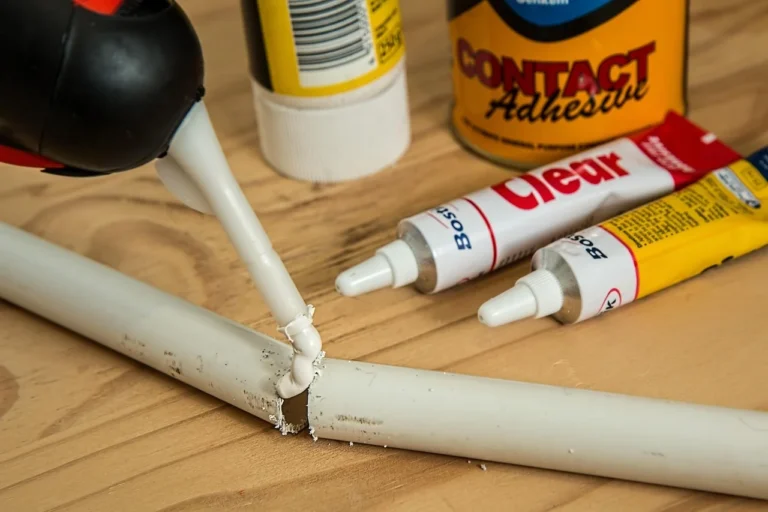
In the ever-evolving landscape of manufacturing, industrial adhesives and sealants play a pivotal role in enhancing performance and efficiency. These versatile materials are essential for bonding, assembly, and sealing processes across various industries, from automotive to aerospace and construction. Understanding their applications, differences, and safety considerations is crucial for professionals involved in procurement, fabrication, and maintenance.
Introduction to Industrial Adhesives and Sealants
Industrial adhesives and sealants are critical components for ensuring product durability and performance. They provide solutions for bonding dissimilar materials, filling gaps, and creating watertight seals. By leveraging these advanced materials, manufacturers can significantly improve the quality and longevity of their products.
The Importance of Adhesives and Sealants in Manufacturing
- Strength and Durability: Quality adhesives enhance the mechanical integrity of products.
- Efficiency: These materials can streamline assembly processes, reducing labor and time costs.
- Versatility: They can bond various surfaces, including metal, plastic, wood, and glass, meeting diverse manufacturing needs.
Practical Applications of Industrial Adhesives and Sealants
Industrial adhesives and sealants have a wide range of practical applications across different sectors:
1. Automotive Industry
- Bonding Components: Used for bonding body panels, windshields, and interior fixtures.
- Sealing: Essential for creating weather-tight seals that prevent water ingress.
2. Aerospace Manufacturing
- Structural Adhesives: Ensures high-strength bonds in aircraft components without adding significant weight.
- Sealing Fuel Tanks: Vital for ensuring leak-proof connections in fuel systems.
3. Construction
- Sealants for Joints: Used to seal joints in buildings, preventing air and water leaks.
- Adhesives for Flooring: Provide durable bonding for various flooring materials, enhancing surface durability.
Types of Adhesives and Sealants
Understanding the various product categories is crucial for making informed choices:
Adhesives
- Epoxy: Known for its high strength and chemical resistance, ideal for structural applications.
- Polyurethane: Flexible and weather-resistant, making it suitable for outdoor applications.
- Acrylic: Offers fast bonding and clarity, commonly used in manufacturing transparent products.
Sealants
- Silicone: Excellent for high-temperature and moisture-prone environments.
- Polyurethane Sealants: Provide superior adhesion and flexibility for construction applications.
- Butyl Sealants: Ideal for sealing windows and roofing materials.
Selecting the Right Adhesive or Sealant
Choosing the right product requires careful consideration of several factors:
1. Material Compatibility
Ensure the adhesive or sealant is compatible with the surfaces to be bonded.
2. Environmental Conditions
Consider factors such as temperature, humidity, and exposure to chemicals that the adhesive will encounter.
3. Cure Time
Evaluate the curing time necessary for your application to ensure efficient workflow.
4. Regulatory Compliance
Verify that products meet relevant industry standards and certifications for safety and performance.
Common Mistakes in Adhesive and Sealant Use
Many professionals make mistakes that can compromise effectiveness. Here are some to avoid:
- Neglecting Surface Preparation: Proper cleaning and priming of surfaces can significantly improve bond strength.
- Using Incorrect Amount: Applying either too little or too much adhesive can lead to inadequate bonds.
- Ignoring Cure Times: Allowing products to cure properly is essential for ultimate performance.
Safety Considerations
When working with industrial adhesives and sealants, safety should be a top priority:
1. Personal Protective Equipment (PPE)
Always wear appropriate PPE, such as gloves and goggles, to prevent skin and eye contact.
2. Ventilation
Ensure work areas are well-ventilated to avoid inhaling fumes that can be harmful.
3. Proper Storage
Store adhesives and sealants according to manufacturer recommendations to maintain integrity and safety.
Conclusion
Industrial adhesives and sealants are indispensable tools in the manufacturing industry, enhancing both performance and efficiency. By understanding their applications, types, selection criteria, and safety considerations, professionals can make informed decisions that lead to superior product quality. For tailored solutions and high-quality adhesive products, consider browsing the offerings at World Tool and Supply or request a wholesale quote to meet your specific needs. Embrace the potential of industrial adhesives and sealants to elevate your manufacturing processes today!
