
In today’s fast-paced industrial landscape, efficient material handling is paramount for operational success. From warehouses to manufacturing plants, the right equipment can streamline processes, enhance safety, and improve productivity. This ultimate guide to material handling equipment explores its various types, applications, selection criteria, common mistakes to avoid, and safety considerations vital for professionals in the field.
What is Material Handling Equipment?
Material handling equipment encompasses a range of tools used for the movement, protection, storage, and control of materials and products. It plays a crucial role in various industries, including construction, manufacturing, logistics, and retail, ensuring that materials are handled efficiently throughout the supply chain.
Types of Material Handling Equipment
Material handling equipment can be classified into several categories, each serving specific needs:
1. Lifting Equipment
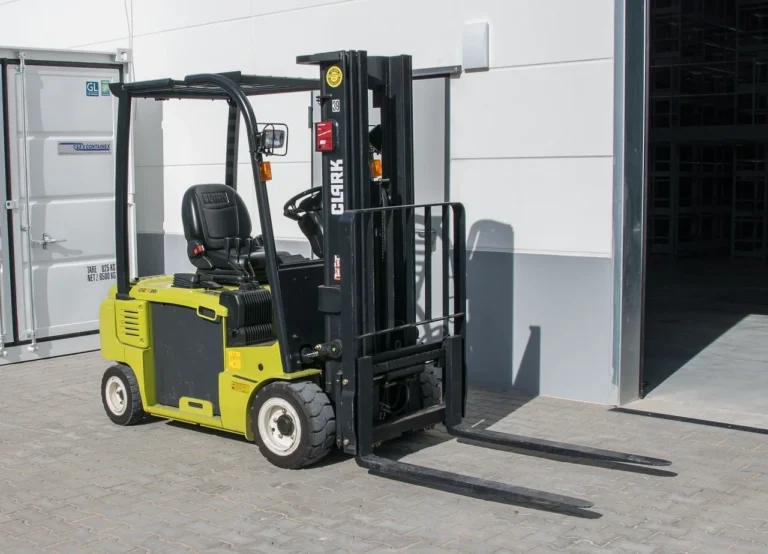
- Forklifts: Ideal for lifting and transporting heavy loads. Available in electric, propane, and diesel models.
- Cranes: Used for moving materials across vertical and horizontal spaces. Types include overhead cranes, mobile cranes, and tower cranes.
2. Transport Equipment
- Conveyor Systems: Facilitate the continuous movement of materials. Common in warehouses and production lines.
- Trolleys and Dollies: Useful for manual transportation of items over short distances.
3. Storage Equipment
- Shelving and Racking: Essential for organized storage of materials, maximizing vertical space.
- Bins and Boxes: For smaller items, these help in inventory control and accessibility.
4. Packaging Equipment
- Palletizers: Automated machines that stack products onto pallets.
- Strapping Machines: Used to secure packages for shipping.
Practical Applications of Material Handling Equipment
The applications of material handling equipment vary widely, influenced by industry-specific needs:
- Warehousing: Optimizing space with efficient shelving and conveyance.
- Manufacturing: Streamlining production lines with forklifts and cranes to move components.
- Construction: Heavy lifting and transportation of materials at building sites.
- Retail: Efficient stocking and merchandising of products.
Key Selection Criteria
When selecting material handling equipment, professionals should consider the following factors:
- Load Capacity: Ensure the equipment can handle the weight of materials to be moved or stored.
- Size and Dimensions: Consider the space available for maneuvering and storage.
- Power Source: Choose between manual, electric, or combustion-powered equipment based on application needs.
- Safety Features: Look for equipment with built-in safety mechanisms like overload protection and emergency stops.
Common Mistakes When Using Material Handling Equipment
Inadequate training and improper usage can lead to operational inefficiencies and safety hazards. Common mistakes include:
- Neglecting Training: Ensuring staff are properly trained in equipment operation and safety protocols is crucial.
- Overloading Equipment: Exceeding weight limits can cause equipment failure and accidents.
- Skipping Maintenance: Regular checks are essential to prevent malfunctions and prolong equipment lifespan.
Safety Considerations
Safety is paramount in material handling. Follow these guidelines to minimize risks:
- Conduct Risk Assessments: Identify potential hazards associated with your equipment and work environment.
- Use Personal Protective Equipment (PPE): Ensure workers are equipped with necessary safety gear.
- Implement Standard Operating Procedures (SOPs): Establish clear guidelines for equipment use and handling practices.
Conclusion
Efficient material handling relies on the right equipment selection, usage practices, and adherence to safety standards. By understanding the types of equipment available and their practical applications, professionals can optimize operations to enhance productivity while minimizing risks. For specialized equipment options and competitive wholesale quotes, consider browsing the appropriate product category at World Tool and Supply. Make informed decisions to elevate your material handling processes today!